
Most people who decide to start running in Denver do it on a nice day, lace up, and come back ten minutes later convinced something is wrong with them.
Nothing is wrong. The air is thin. You’re at 5,280 feet, and your lungs are working harder than they ever had to before, even at a slow jog. That breathlessness is normal, expected, and temporary. It is also not an excuse to push through it.
Here’s how the first weeks actually work.
Why the first runs feel humbling
At a mile up, every breath delivers less oxygen to your muscles than it would at sea level. Your body still works just as hard. It just gets less out of each lungful.
For a new runner, this matters more than it might for someone who’s been training for years. You don’t yet have the aerobic base that absorbs the altitude hit. So the first outings can feel discouraging at a pace that looks, on paper, extremely slow.
The local reason to know: this is not a Colorado-beginner problem. Experienced sea-level runners move here and hit the same wall. You’re feeling altitude, not failure.
Run by time, not by distance or pace
The first mistake beginners make is measuring themselves against distance. “I should be running a mile without stopping.” That framing doesn’t help here.
Go by time and effort instead. A ten-minute outing where you ran for three and walked for seven is a good outing. It is building your body’s adaptation, getting your joints used to impact, and building the habit, which is the only thing that matters in the first month.
Denver’s altitude changes how every race feels; pace by effort, not your sea-level numbers. The same rule applies to your very first jogs.
The run/walk method, used exactly as it sounds
Run/walk means alternating easy jogging with walking. Not a hard jog with a recovery walk. An easy jog and a regular walk.
A simple starting pattern:
- Jog for 60 seconds, walk for 90 seconds. Repeat for 20-25 minutes total.
- Do this three times a week, with a day between each outing.
- After a week or two, extend the jogging intervals by 30 seconds and keep the walking the same.
The walking portions are not cheating. They are how this works. Your body needs the recovery, and at altitude the recovery matters more than it would somewhere else.
A good first 5K is one you show up trained enough to enjoy, not one you survive.
Start on flat, simple ground
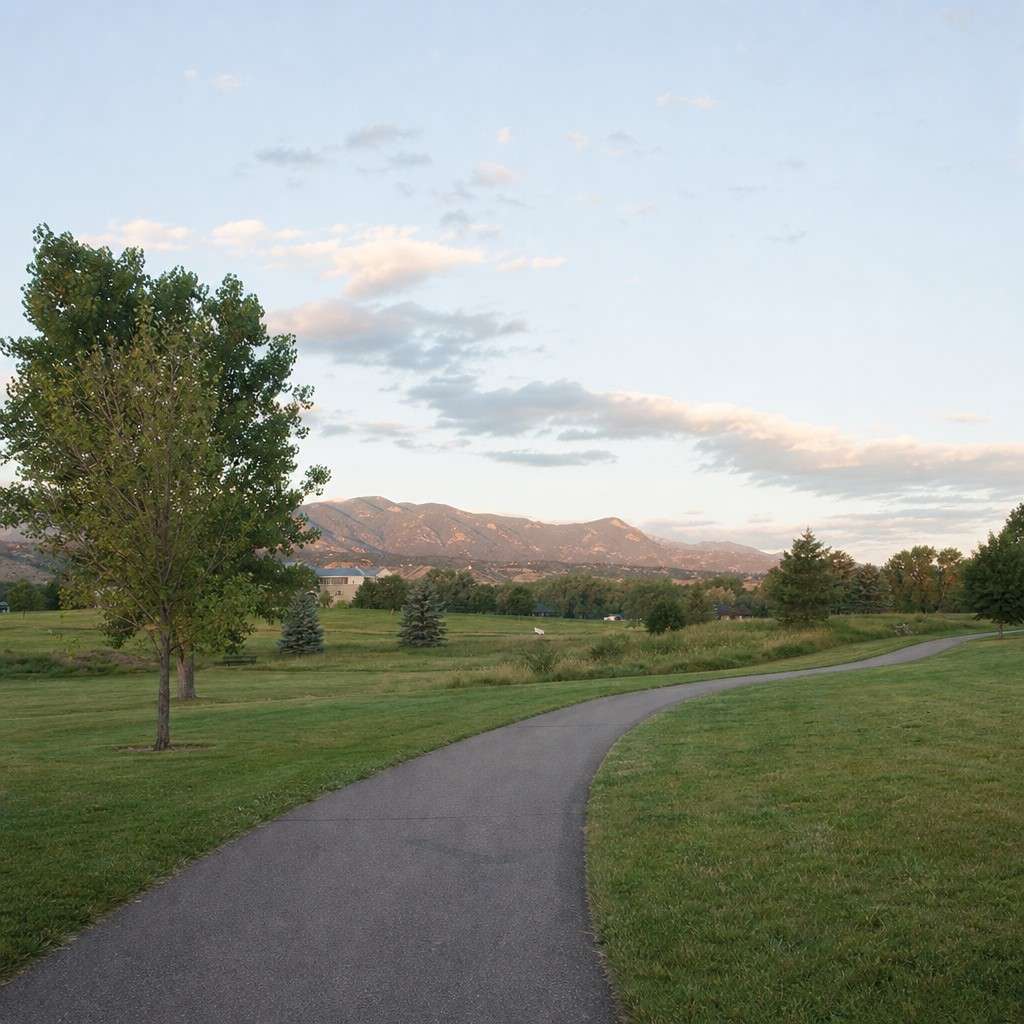
Denver’s park loops are the right starting point. Flat pavement, easy navigation, no cars, and no pressure.
City Park, Wash Park, and Sloan’s Lake all offer flat loops where you can settle into a rhythm without worrying about terrain. For a full picture of the options, the guide to where to run in Denver covers the neighborhoods and what each area offers.
Save the trails, the hills, and the foothills for later. They’re worth it, but they add variables you don’t need yet.
Three short outings beat one long one
Beginners often come in motivated and want to run every day, or run for an hour on the weekend. Both approaches tend to end the same way: a sore knee or a bad outing that breaks the streak.
Three outings of 20-25 minutes a week is the target. That’s enough to build adaptation, not enough to break down a body that isn’t used to this yet.
Habit is the first asset. Once running three times a week feels routine rather than optional, increasing the duration or intensity has somewhere to land.
What to expect in the first few weeks
Real expectations, not the encouraging version:
- You will be breathless faster than you expect. That’s altitude, not a sign you’re not cut out for this.
- The first two weeks are often the hardest. Your body is adapting fast in the background, and you’ll feel it in the outings before you feel the progress.
- Week three or four usually marks a shift. The same effort covers a little more ground, and the breathlessness arrives later.
Hydration matters more here than it did elsewhere. Denver’s air is dry as well as thin, and you lose water through breathing without realizing it. Drink before, during, and after each outing, especially in summer.
If you want the physiology behind what the altitude is actually doing, running at altitude in Denver covers the science in detail.
When to think about a first race
Not yet. That’s the honest answer for the first month.
Build the habit first. Once three outings a week feels ordinary and the running intervals feel manageable, a first race becomes a natural next step rather than a stressful one.
The friendliest entry point is a flat, closed-road 5K. Same distance, very different experience depending on the course, and Denver has options that are designed to be accessible. The guide to your first month running in Denver covers what the transition into regular running looks like once the beginner phase clicks.
When you’re ready to look at races, pick something flat, in a season with reasonable weather, and close enough to get to easily. A good first 5K is one you show up trained enough to enjoy, not one you survive.
The short version
Starting from zero in Denver means starting at altitude, which makes the early weeks feel harder than they should. That’s the condition, not a verdict.
Run/walk, go by time and effort, find a flat park loop, and come back three times a week. The goal for the first month is not fitness. It’s showing up consistently until running stops feeling like a fight and starts feeling like something you just do.
The altitude settles. The habit stays.