
The first runs in Denver humble almost everyone.
You arrive fit, lace up, and three blocks in you’re gasping at a pace that used to be easy. It’s a discouraging way to meet a new city.
The good news is that it passes, and faster than you’d think. Your first month here is less about training hard and more about letting your body catch up to the air.
Here’s how to spend it.
Week one: ease all the way off
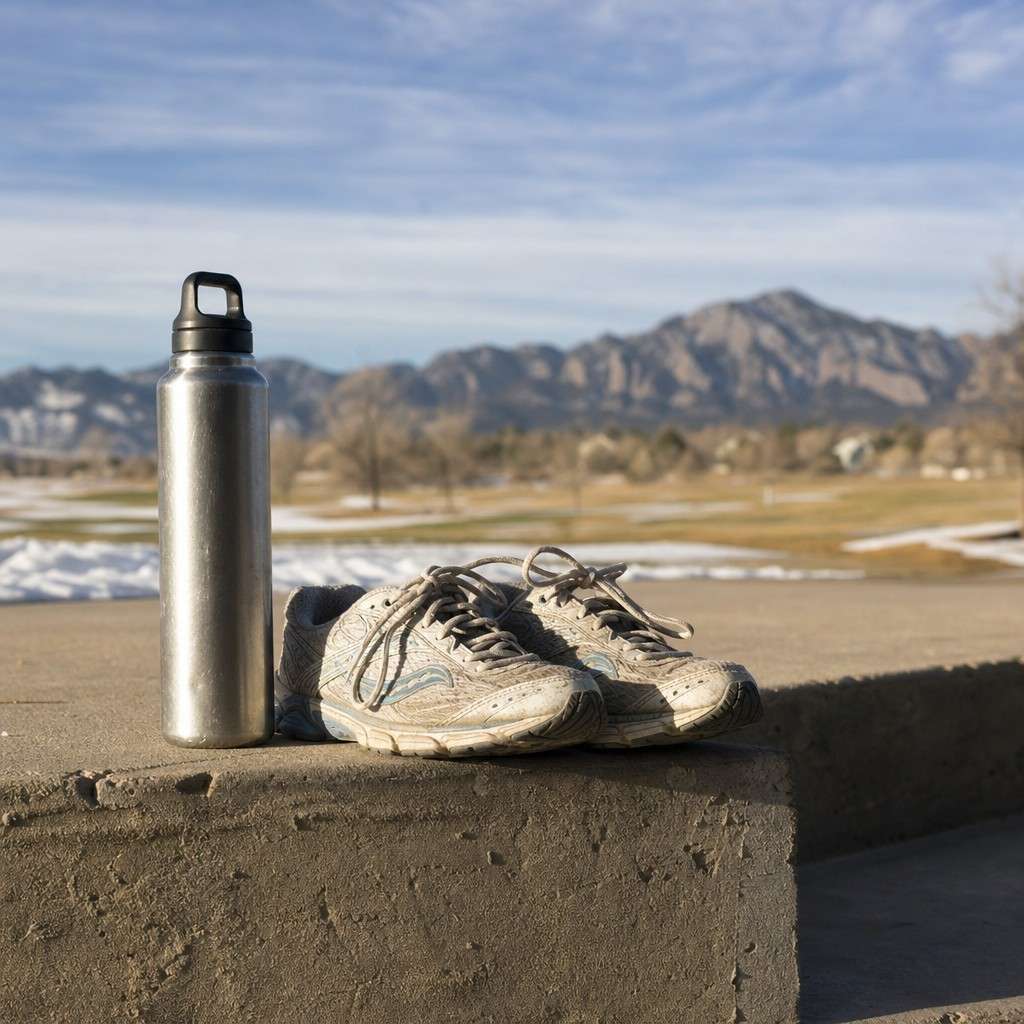
Your job in the first week is not to run well. It’s to run easy and let your body start adjusting.
Run by effort, keep it conversational, and ignore your pace entirely. A good first 5K is one you show up trained enough to enjoy, not one you survive, and the same goes for an easy jog when you’re new to altitude.
- Cut your pace expectations, not your effort. Slow is correct right now.
- Drink more water than feels necessary. The dry, thin air dehydrates you fast.
- Sleep may be rough for a few nights. That’s a known part of arriving at altitude, and it settles.
Weeks two and three: build gently
This is where it starts to feel better. As your body adapts, the same effort buys you a little more pace, and the breathlessness eases.
Add distance slowly, and keep most of it easy. Since altitude hits hardest over longer efforts, this is the time to grow your long run by small steps, not big jumps.
A good first 5K is one you show up trained enough to enjoy, not one you survive.
Pick flat, simple ground while you build. The city’s park loops are perfect for this, and you can read where they are in where to run in Denver.
Week four: you’re a Denver runner now
By the end of the first month, most runners feel close to themselves again, just recalibrated to a new normal.
Your easy pace will still sit a touch slower than your old sea-level number, and that’s simply the cost of the air. Pace by effort and you’ll barely notice it day to day.
This is also when a first local race starts to make sense. A flat 5K is a fair, fun test of where you’ve landed. A hilly 10K is a tougher ask this early.
Don’t fight the altitude, work with it
The single mistake newcomers make is treating the slowdown as a fitness problem and trying to push through it. That’s how you end up overtired and discouraged.
Denver’s altitude changes how every race feels; pace by effort, not your sea-level numbers. The runners who adjust fastest are the ones who back off first.
If you want the physiology behind all this, running at altitude in Denver covers what the thin air is actually doing.
The takeaway
Your first month in Denver is an adjustment, not a fitness test. Ease off in week one, build gently through the middle, and expect to feel like yourself again by the end.
Run easy, hydrate, build slowly, and save the racing for when you’ve settled in. When you’re ready for that first one, the Front Range race guides by season will help you pick a kind one to start with.