
Move to Denver from sea level and your running falls apart for a while. Same effort, slower pace, heavier legs. Nothing is wrong with you. It’s the air.
At 5,280 feet, every breath carries less oxygen than it did at sea level. Your body still works just as hard. It just gets less out of each lungful, and your pace pays for it.
Here’s what’s actually happening, and what to do about it.
Less oxygen, same effort
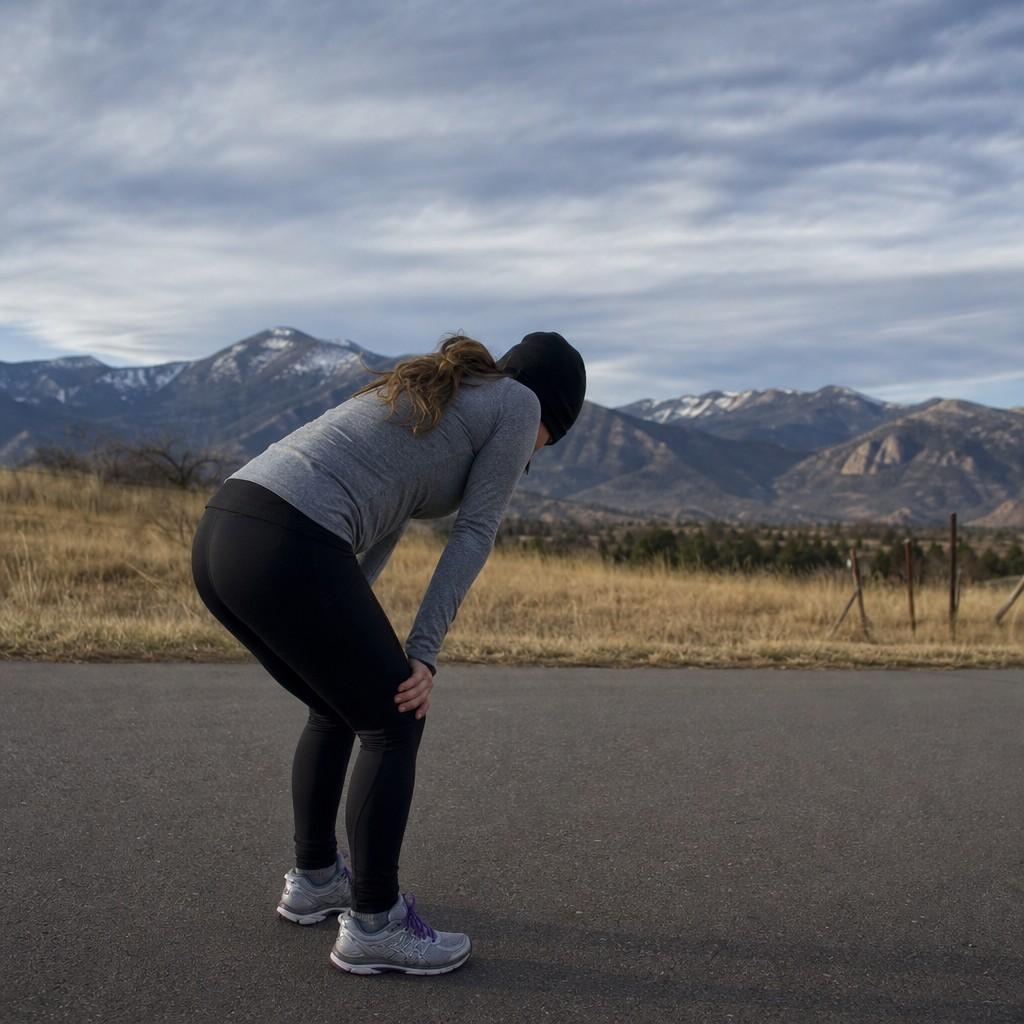
Air is the same mix everywhere, but it’s thinner the higher you go. At a mile up, the pressure pushing oxygen into your blood is meaningfully lower than at the coast.
For running, that shows up as a drop in the oxygen your muscles can actually use. Sports-science research on altitude generally finds that aerobic performance starts to fade above a few thousand feet and keeps fading the higher you go.
The effect at Denver’s elevation is real but moderate. It’s not the Himalayas. But it’s enough that a sea-level runner notices it immediately, especially on anything longer than a sprint.
Denver’s altitude changes how every race feels; pace by effort, not your sea-level numbers.
The longer the effort, the more it costs you. A short, all-out 400 meters leans on systems that don’t need much oxygen. A 10K leans almost entirely on the system altitude blunts most.
How long it takes to adjust
Your body does adapt, in stages.
- The first few days are usually the worst. You may feel breathless, sleep badly, and tire fast. Easy running is plenty here.
- The first few weeks bring the biggest gains as your body adjusts how it carries and uses oxygen.
- Full adjustment takes longer still, and most coaches treat altitude acclimatization as a matter of weeks, not days.
Don’t judge your fitness in week one. The runner you are at altitude after a month is a different runner from the one who stepped off the plane.
Training around the thin air
You can’t add oxygen to the air, so you train with it, not against it.
- Run by effort, not pace, at first. Your easy pace and your old race pace may be the same number for a while. Let the watch catch up to your legs over a few weeks.
- Hydrate more than you think. The air here is dry as well as thin, and you lose more water through breathing than you’re used to.
- Respect the sun. At altitude there’s less atmosphere between you and it. Even a cool morning run can burn you.
- Build long runs slowly. Since distance is where altitude hits hardest, add mileage more gently than a sea-level plan would.
Train for the course you’ll run: hills, trail, and thin air are three different problems.
What it means for racing
If you’re racing here, set expectations by effort and terrain, not by your sea-level personal bests. A flat local 5K is a fair test; a hilly 10K in your first month is a humbling one.
The flip side is the part people forget. Train here for a while, then race at sea level, and the thick coastal air can feel like a tailwind. The same adaptation that slows you down at home can pay you back on a trip.
The takeaway
Denver’s altitude is not a wall, just a different set of rules. Less oxygen per breath, a real but moderate hit to your pace, and a few weeks of adjustment before your legs and your watch agree again.
Run by effort, hydrate, build slowly, and give it a month before you judge anything. Once you’ve adjusted, you’ll find out where to put those legs in where to run in Denver, and if you’re brand new to it, start with your first month running in Denver.