Guides
Running in Colorado
Guides to running in Denver and Colorado: altitude, the seasons and their weather, where to run, and how to train for the race in front of you.
-
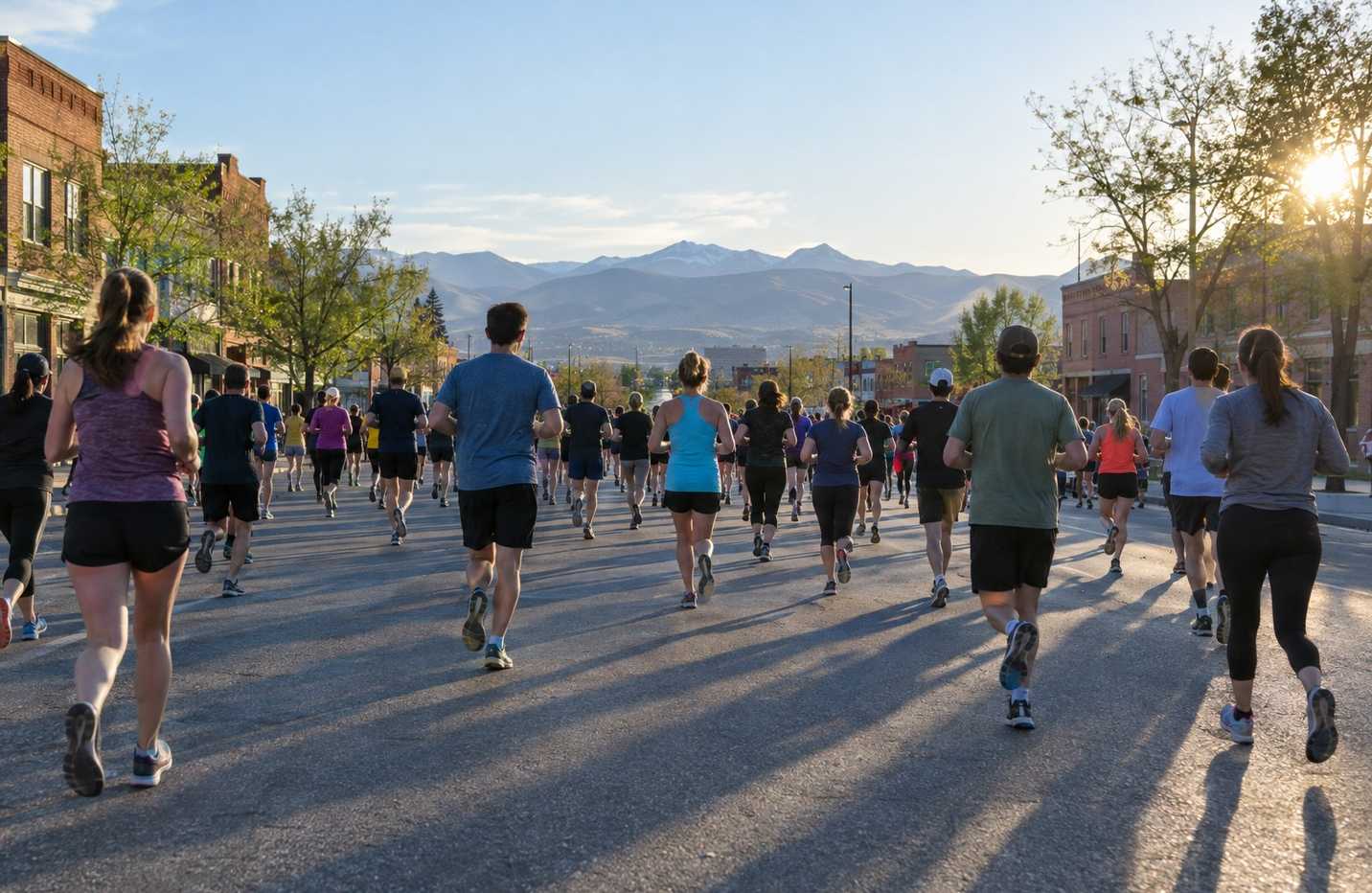 Is the Colfax Marathon a Good First Marathon? For most runners, yes. Denver’s only marathon is a big, well-supported road race with a simple shape. The catch is the altitude, and the plan that deals with it depends on where you live.
-
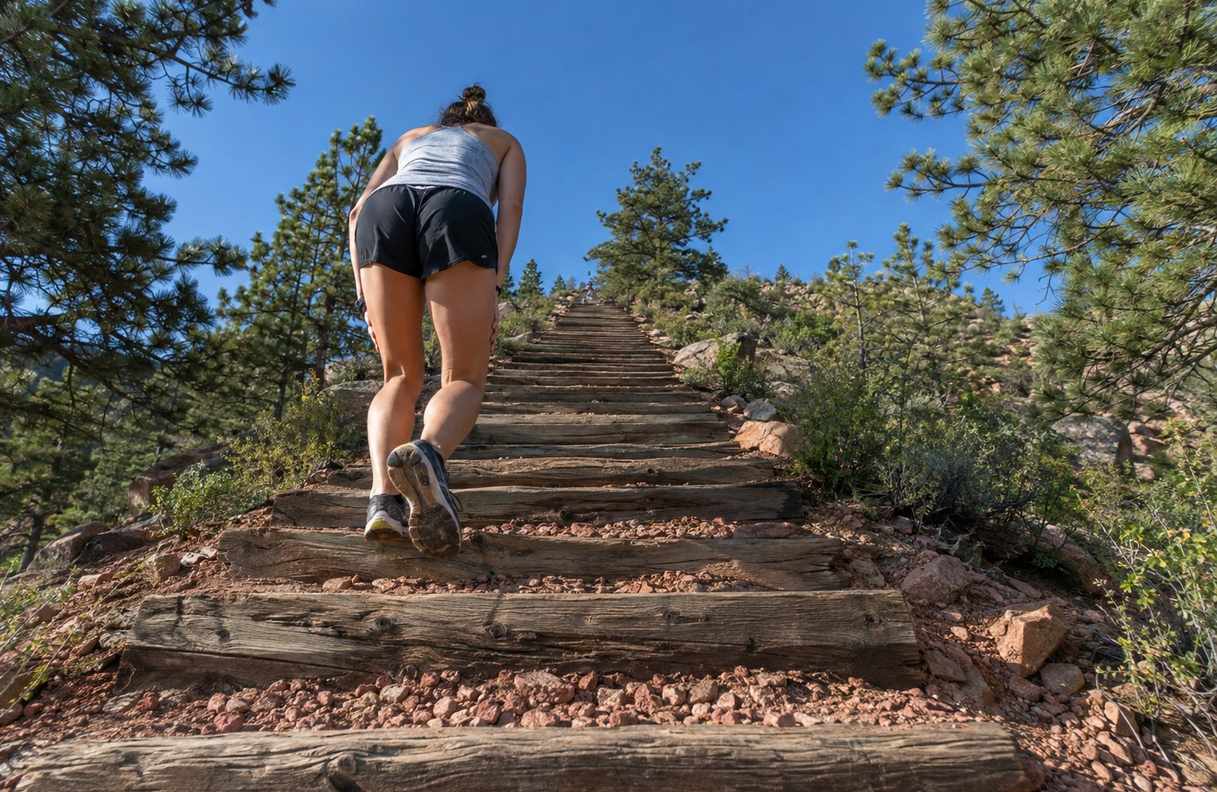 How Hard Is the Manitou Incline for a Runner? Harder than its one-mile length suggests. The Incline climbs about 2,000 feet on a steep, uneven staircase. How to judge whether you are ready, and how to plan the climb.
-
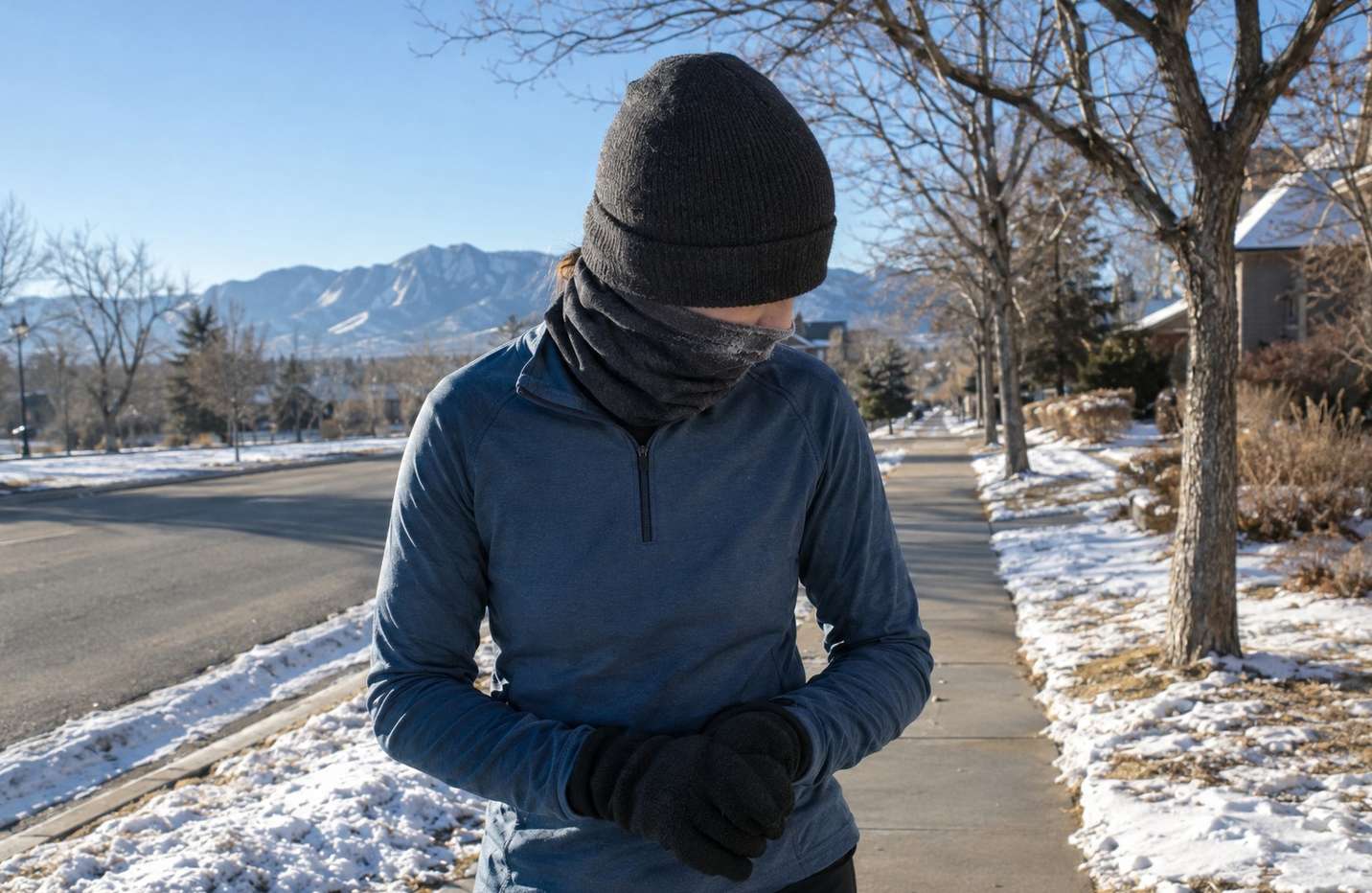 Cold-Weather Running Gear for a Denver Winter A Denver January day swings about 26 degrees from low to high, and the cold is dry, not wet. So buy wind and skin protection first, bulk last, and a shell you can carry.
-
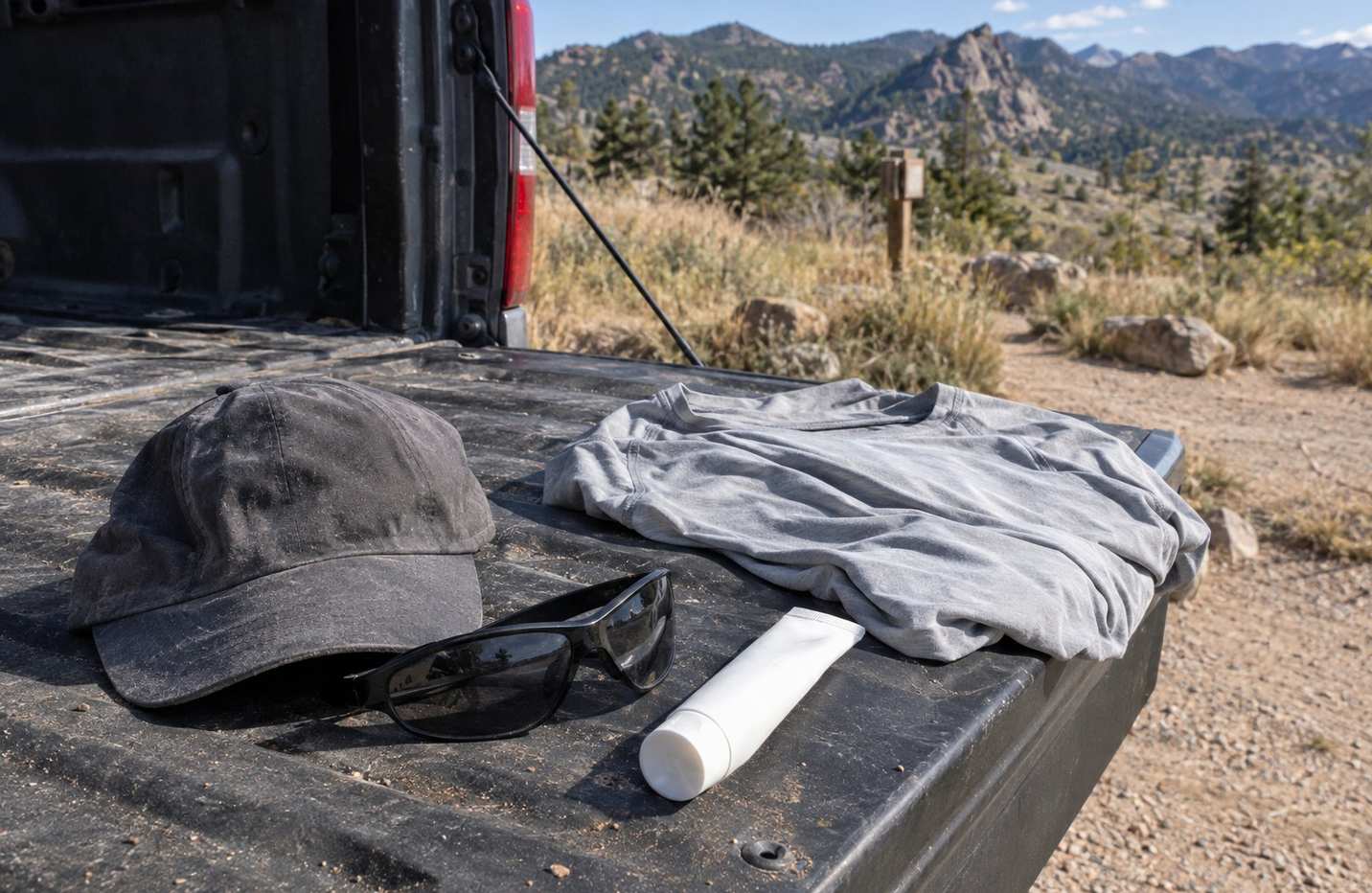 Sun Protection for Running at Altitude A cap, sunglasses that stay on, and sport sunscreen do more for a Front Range runner than anything altitude-specific. Here’s what’s worth carrying, and what isn’t.
-
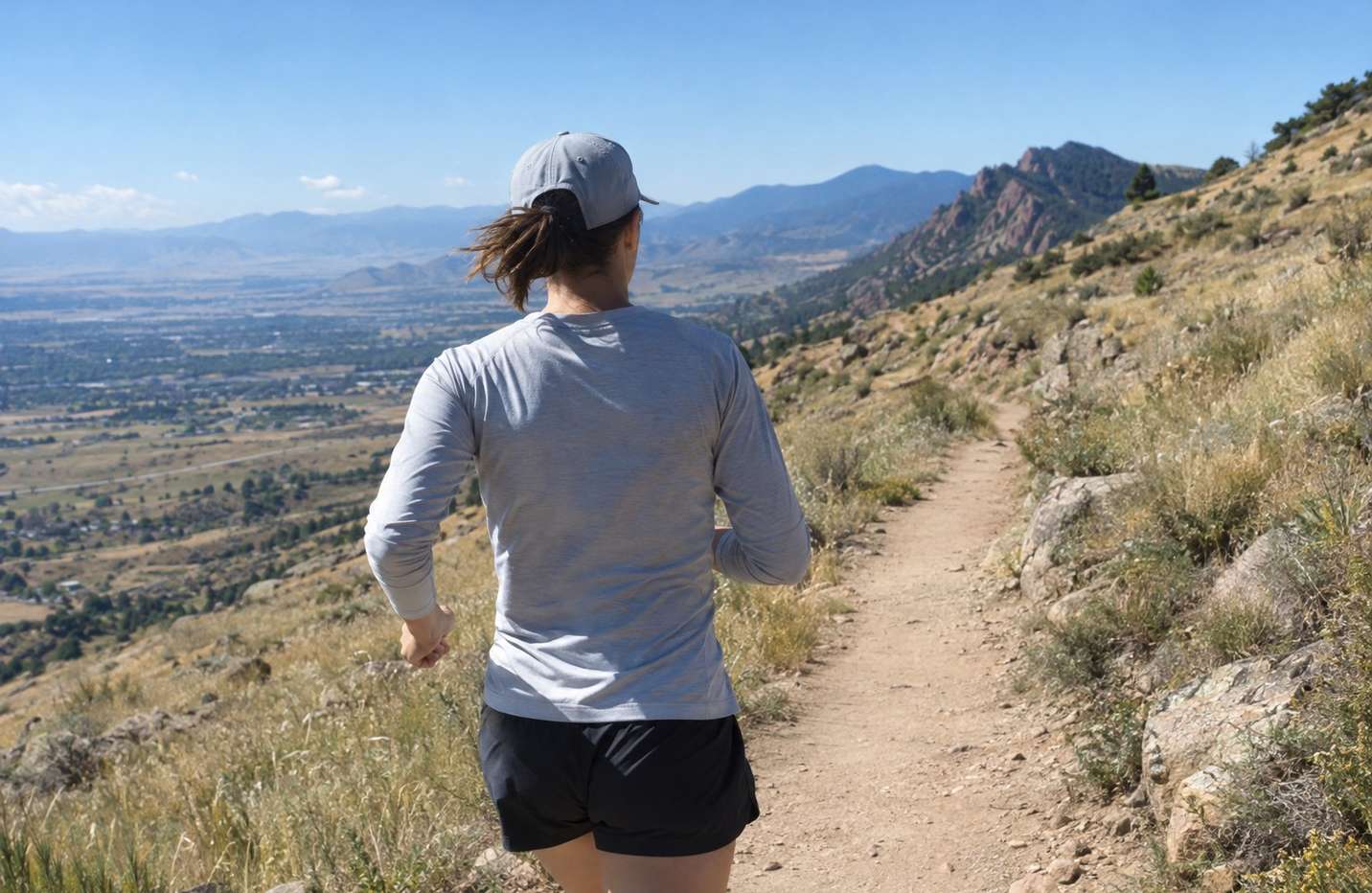 How Much More UV a Denver Runner Actually Takes Denver’s altitude adds roughly 10 to 16 percent more UV than sea level, a smaller penalty than the warnings suggest. Fresh snow can nearly double a run’s dose.
-
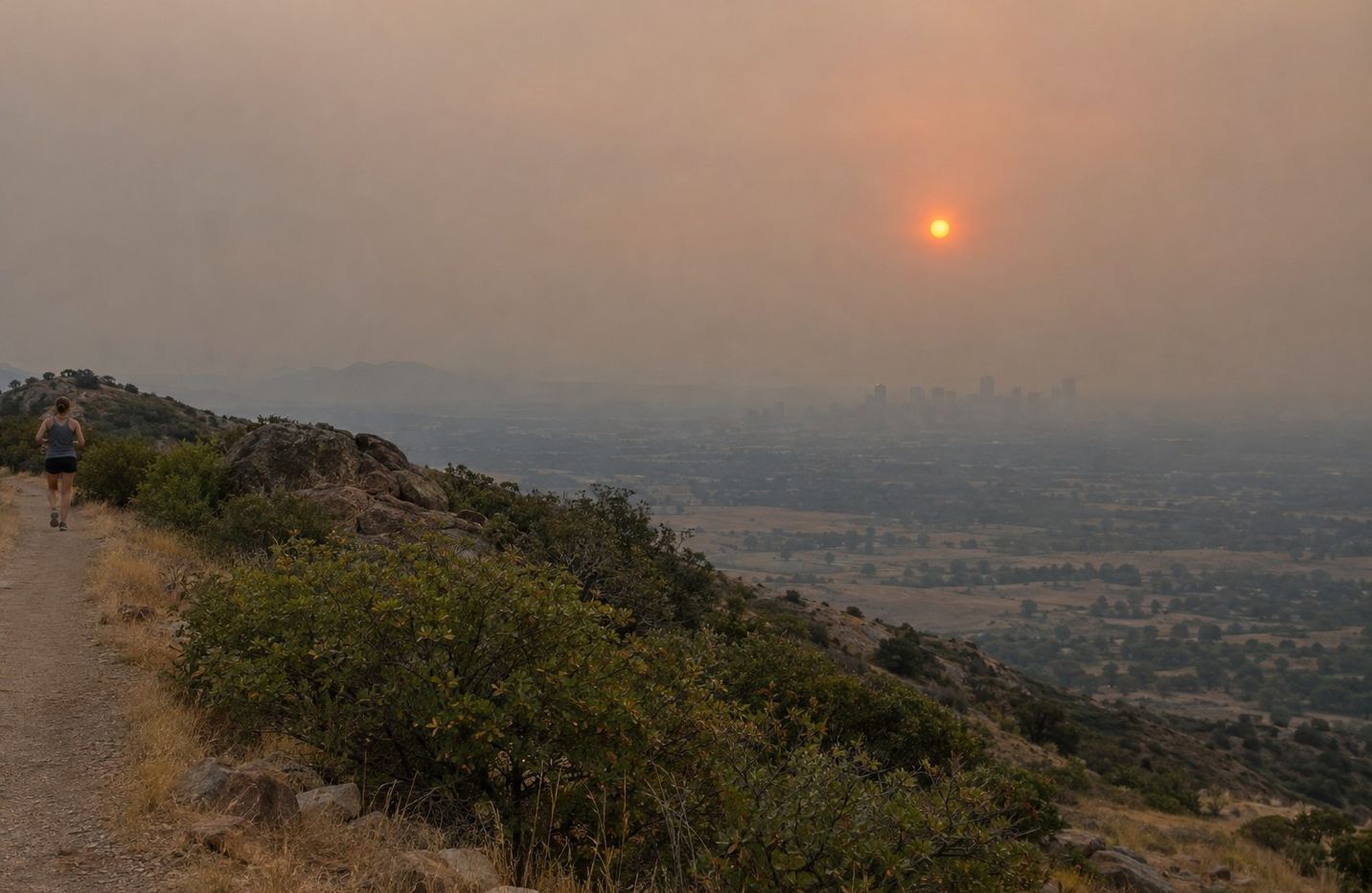 Denver’s Wildfire Smoke Season Breaks the Run-Early Rule The run-early rule that works for ozone fails in wildfire smoke, when overnight air can be the dirtiest of the day. How to read a smoke morning in Denver.
-
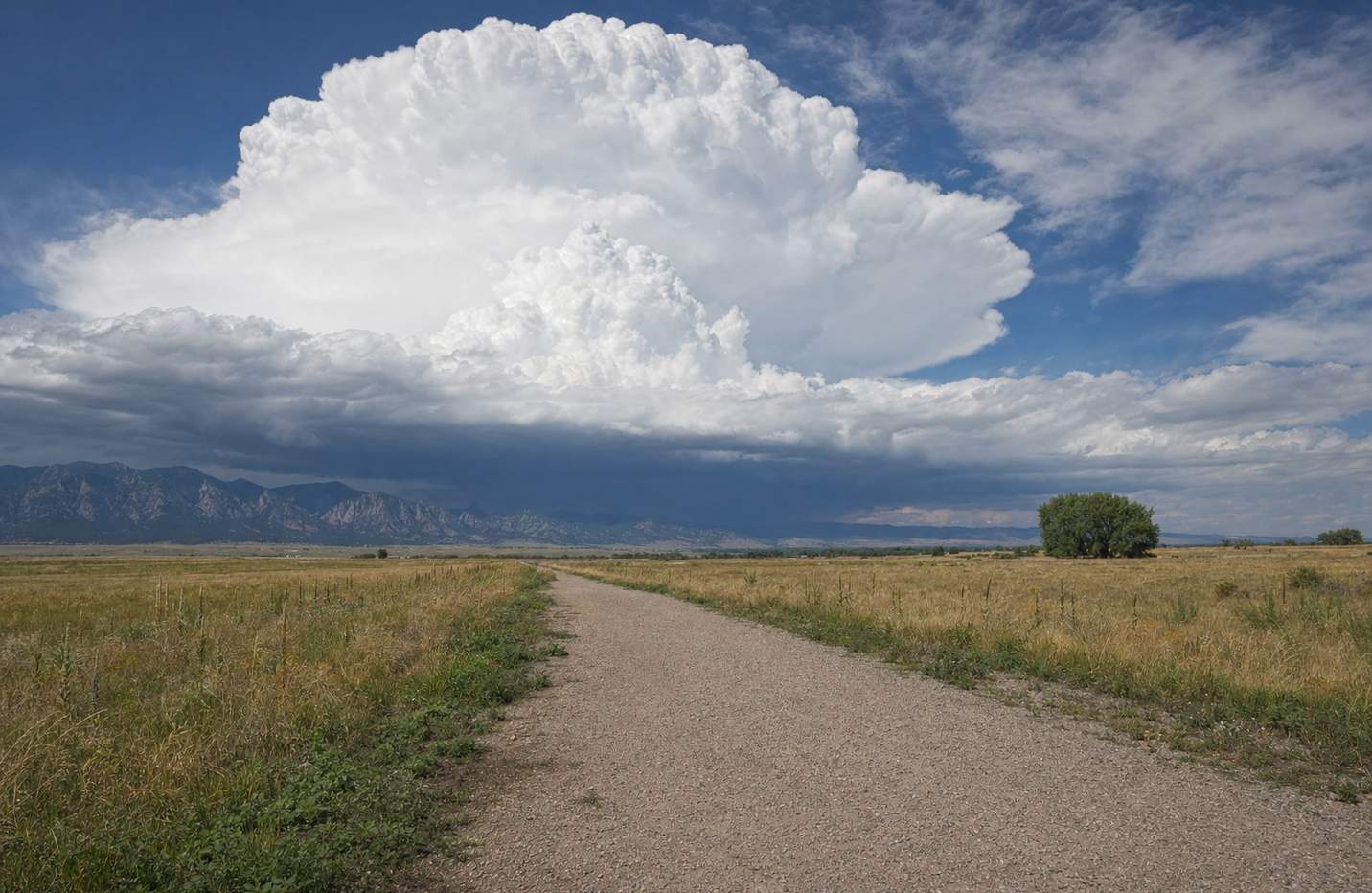 Lightning and the Denver Runner: What Colorado’s Own Data Says Colorado ranks third in the nation for lightning deaths while sitting 32nd for how much lightning it gets. The state’s own casualty records say when a runner is in the wrong place.
-
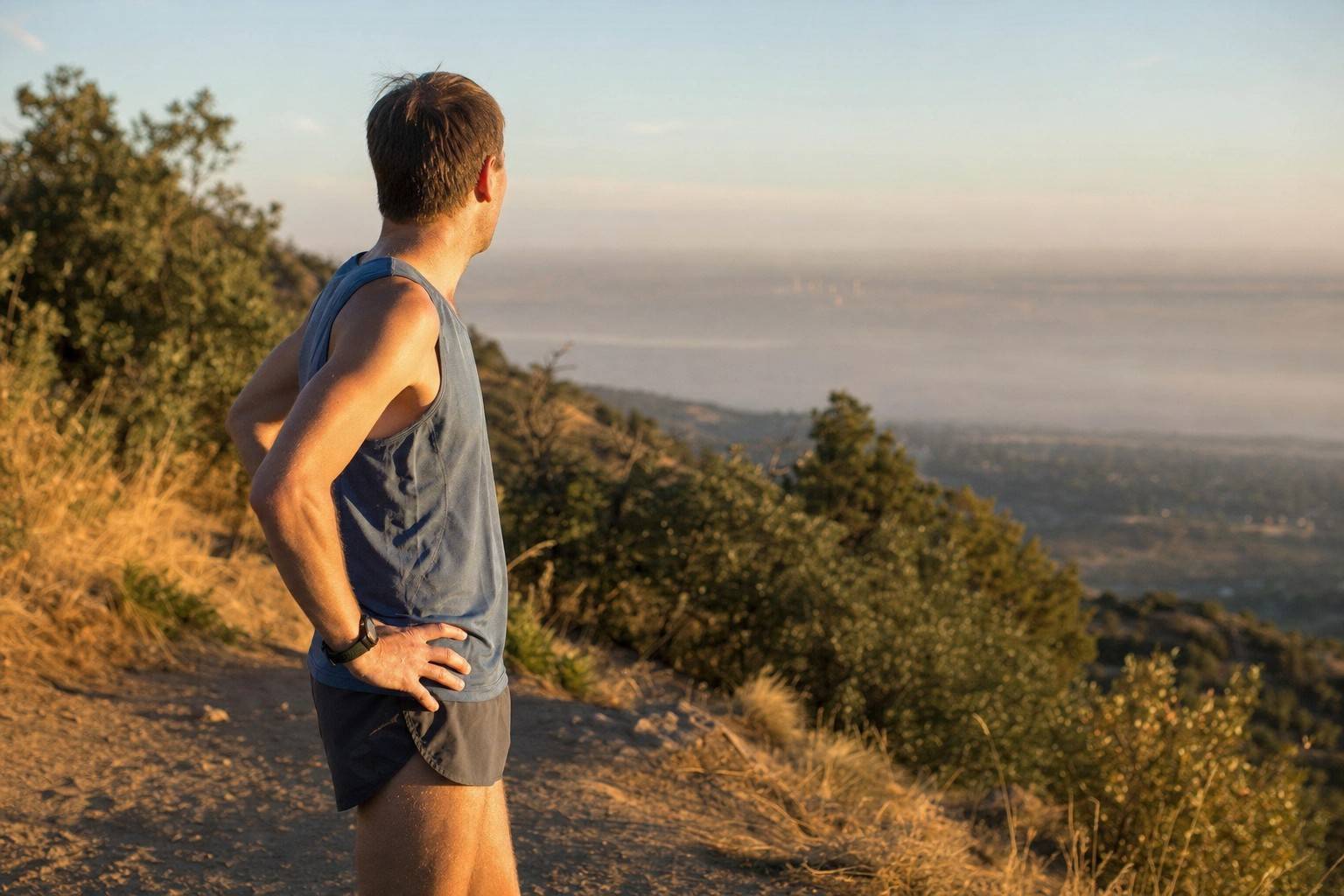 Denver’s Ozone Season: What the Air Quality Data Says for Runners Colorado’s ozone monitors read dirtiest in the foothills, not downtown, and the effect shows up hardest at a runner’s hardest efforts. What the data supports in ozone season.
-
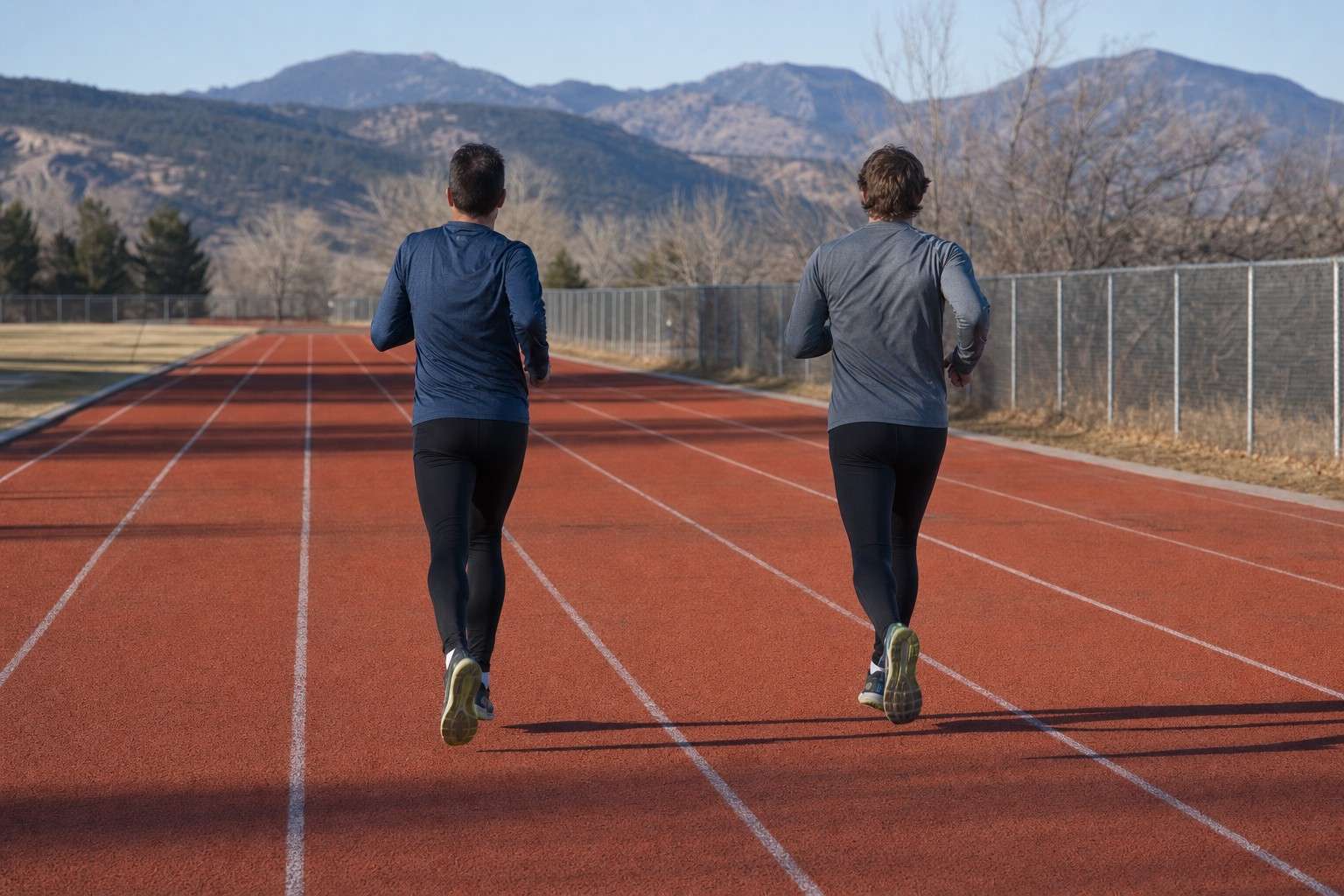 Does Living in Denver Make You Faster at Sea Level? Living and training at altitude built the same fitness as living high and training low. Only one of those two groups ran a faster 5K, and a Denver runner is doing the version that didn’t.
-
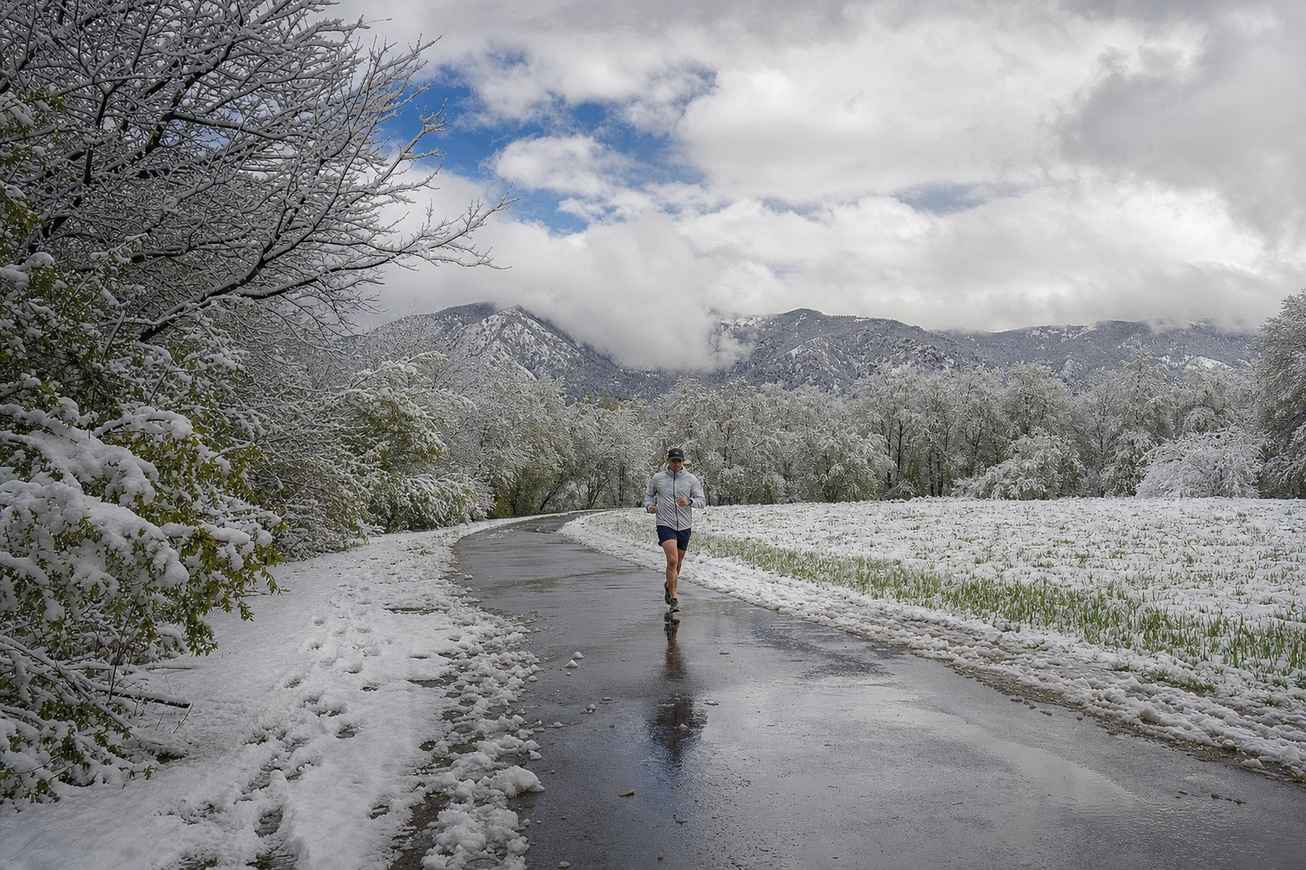 Spring Running in Denver: The Snowiest Season Nobody Warns You About March is Denver’s snowiest month on the books, and March plus April out-snow December plus January. Pack the winter gear away at the end of February and you are about six weeks early.
-
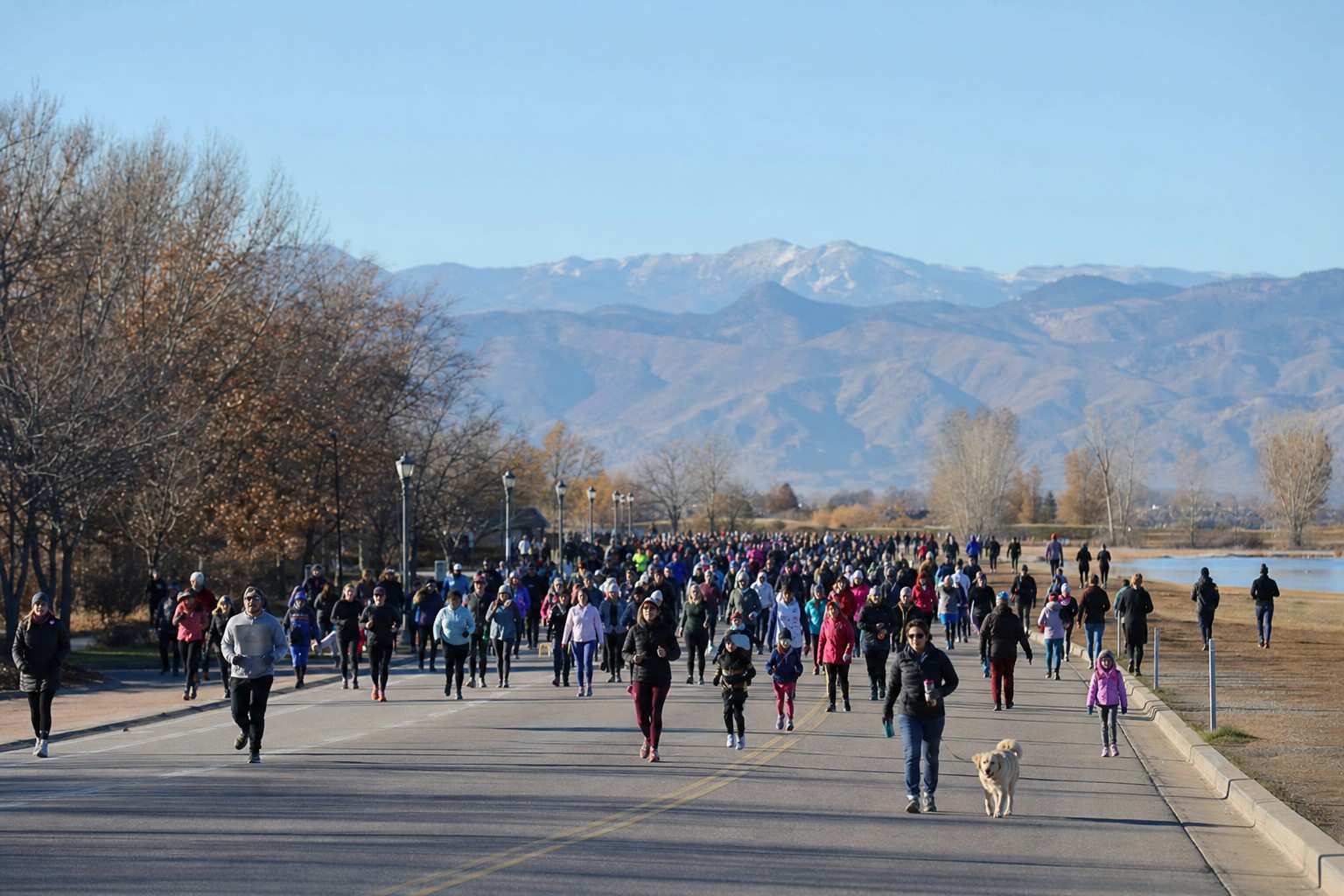 The Denver Turkey Trot: Denver’s Thanksgiving Morning Race, Explained Thanksgiving morning in Denver means a 4-mile walk/run through Washington Park. What the Mile High United Way Turkey Trot involves, and why it works as a first race.
-
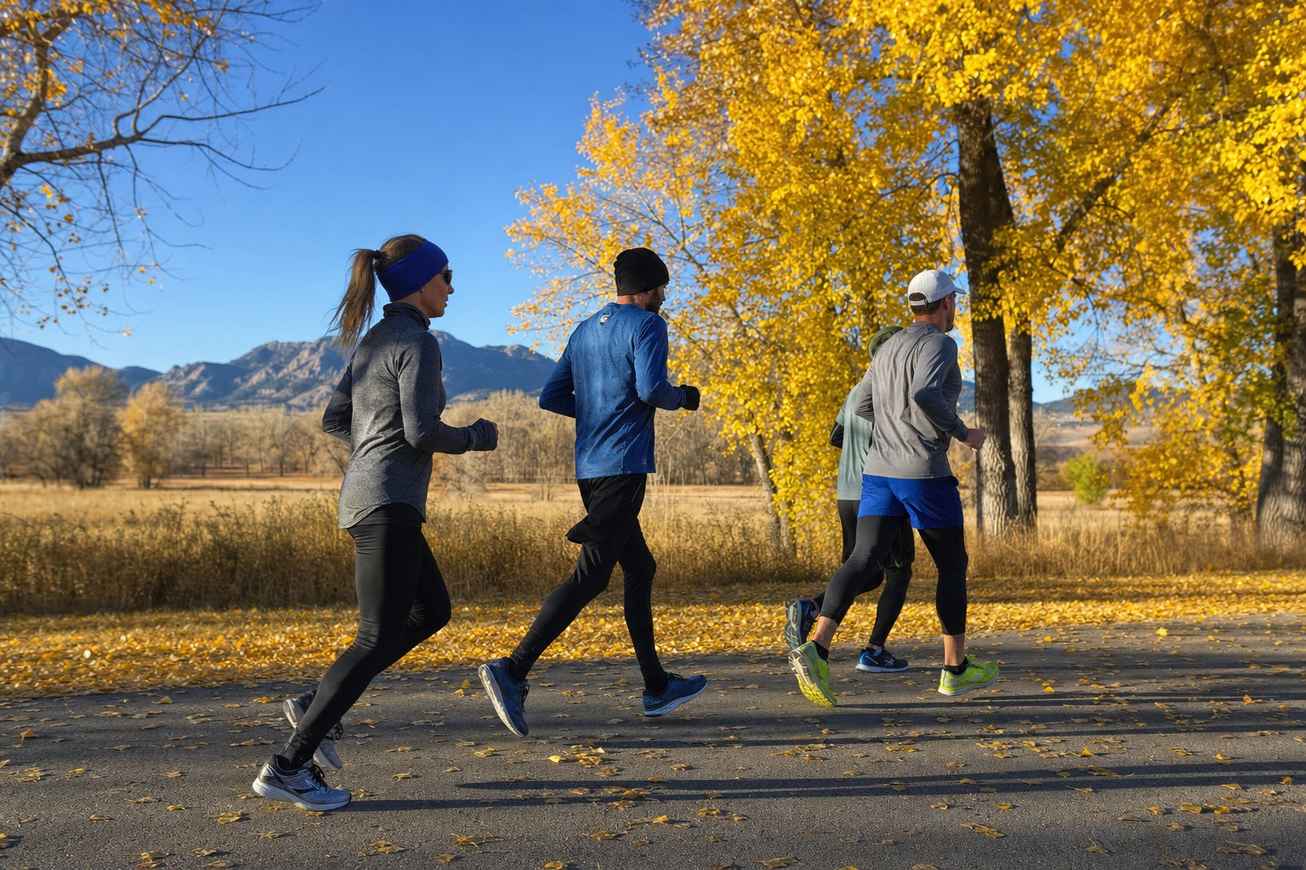 Denver’s Fall Race Season: What the Weather Data Actually Says Denver’s normal high drops nearly 40 degrees between September and November, and cooler air is measurably faster to run in. Here’s the month-by-month case for fall, and how to plan around each one.
-
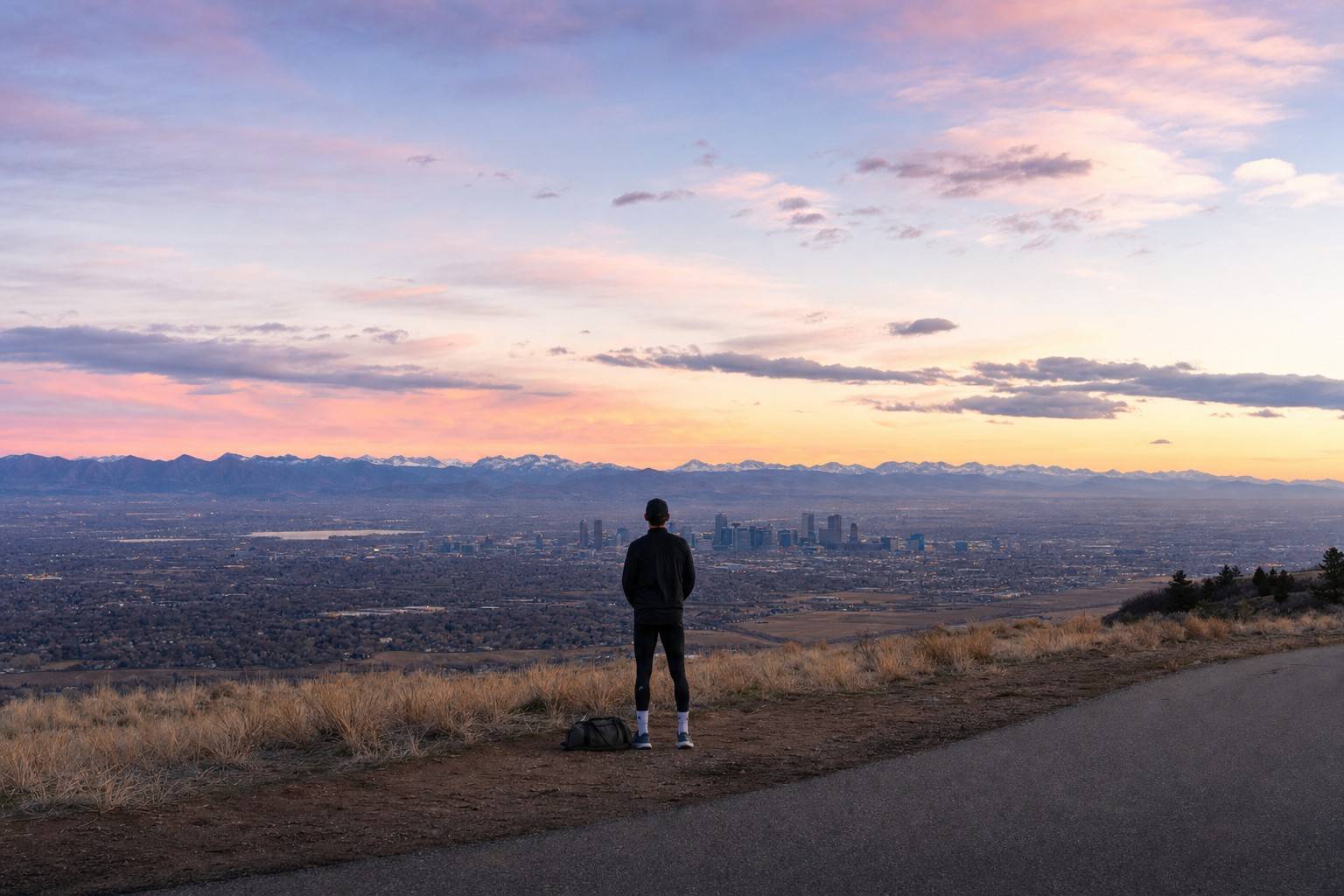 When to Arrive in Denver for a Race: Two Weeks Early or Just Before Flying into Denver for a race from sea level? Here’s what the research says about your two real options: arrive two weeks out to adjust, or arrive close to race day and run it on effort, not pace.
-
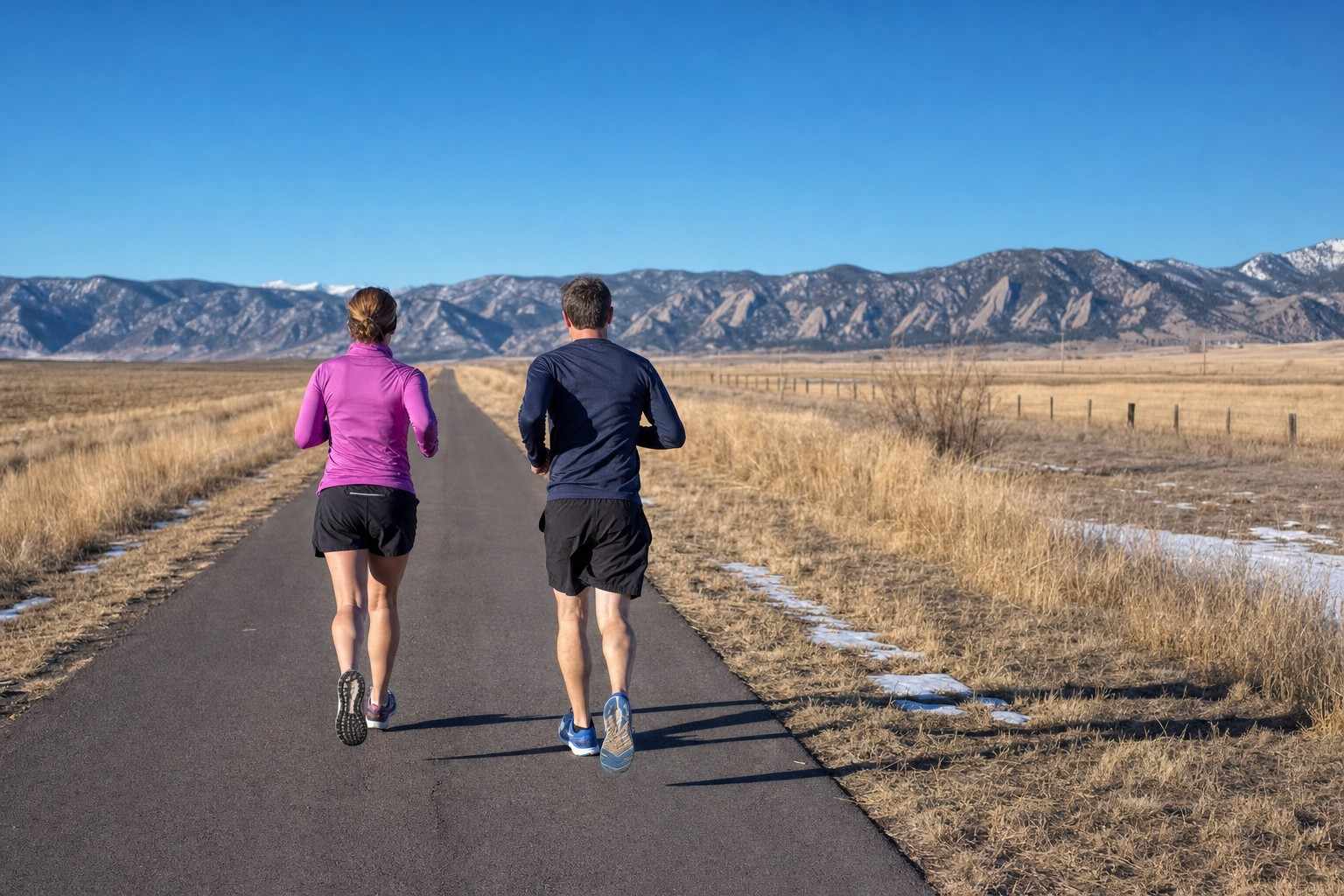 Training for Your First 10K in Denver Already running a 5K and thinking about doubling the distance? At a mile up, a 10K is more than “twice a 5K.” Here’s how to build toward it honestly.
-
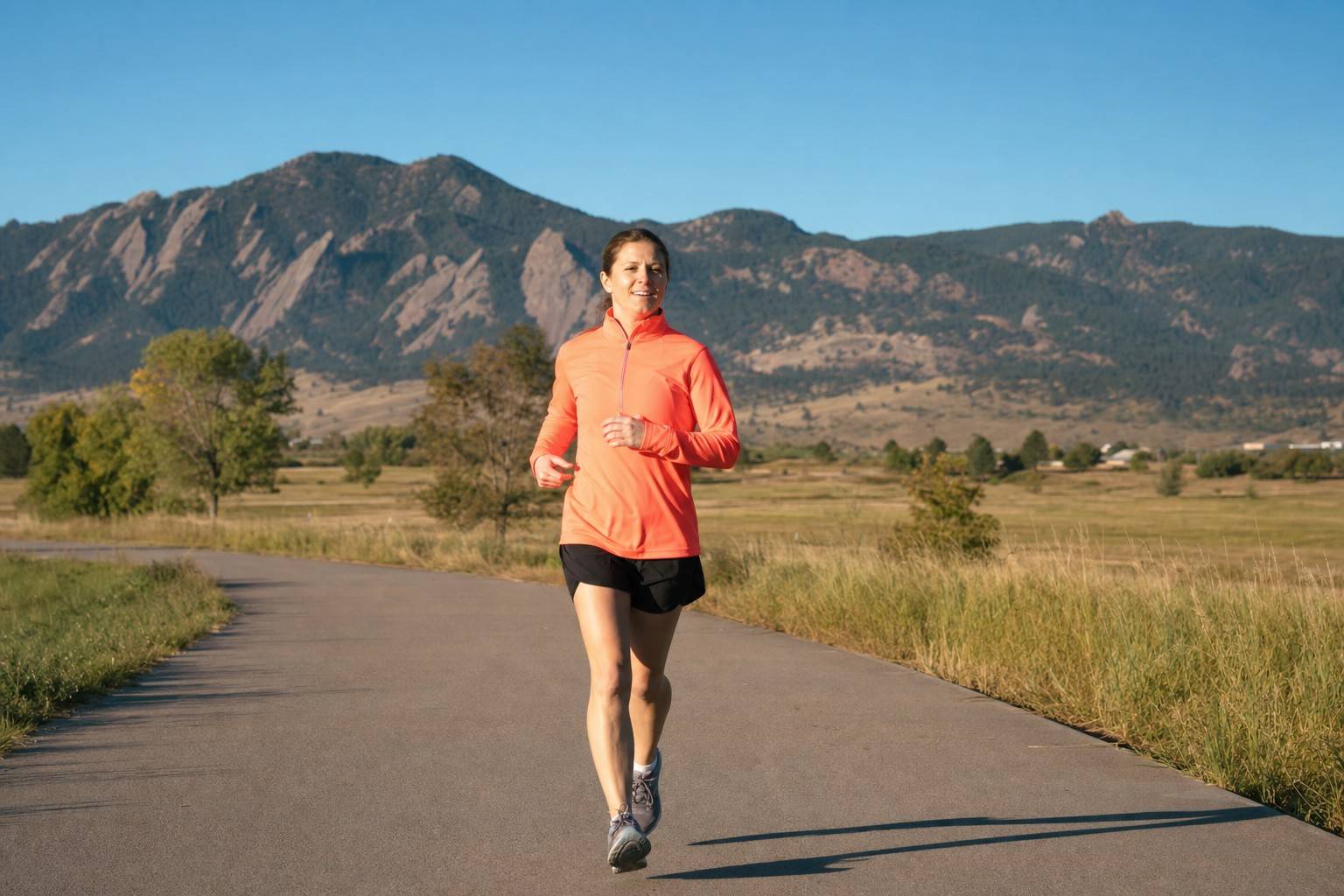 How to Pace Your Runs by Effort at Altitude At altitude, your watch will lie to you. Here’s how to run by perceived effort instead, so you stop chasing a pace that no longer means what it used to.
-
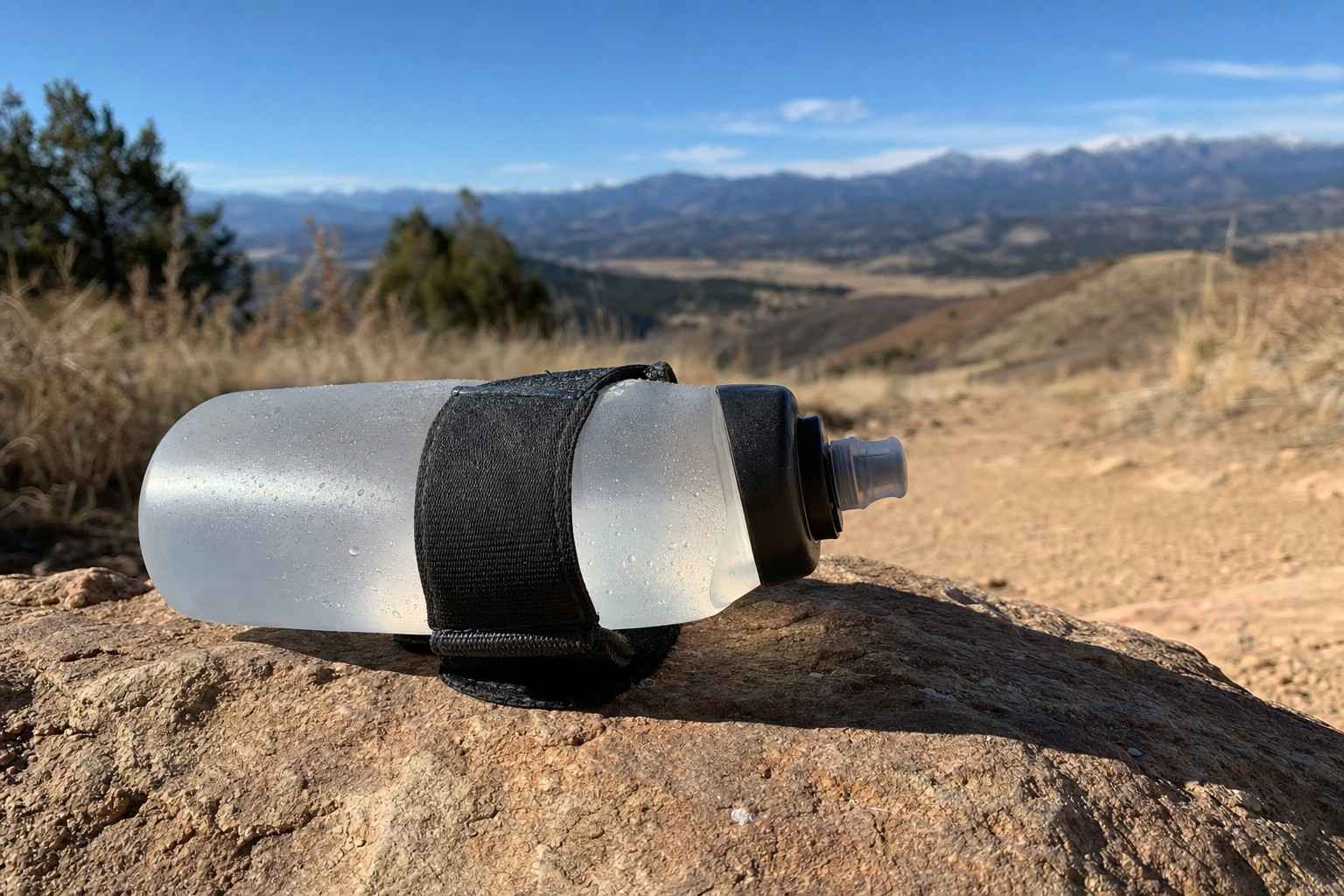 Staying Hydrated Running at Altitude Colorado’s thin, dry air pulls water from you faster than most runners expect, and the effect compounds in every season. Here’s why hydration works differently at altitude and what to do about it.
-
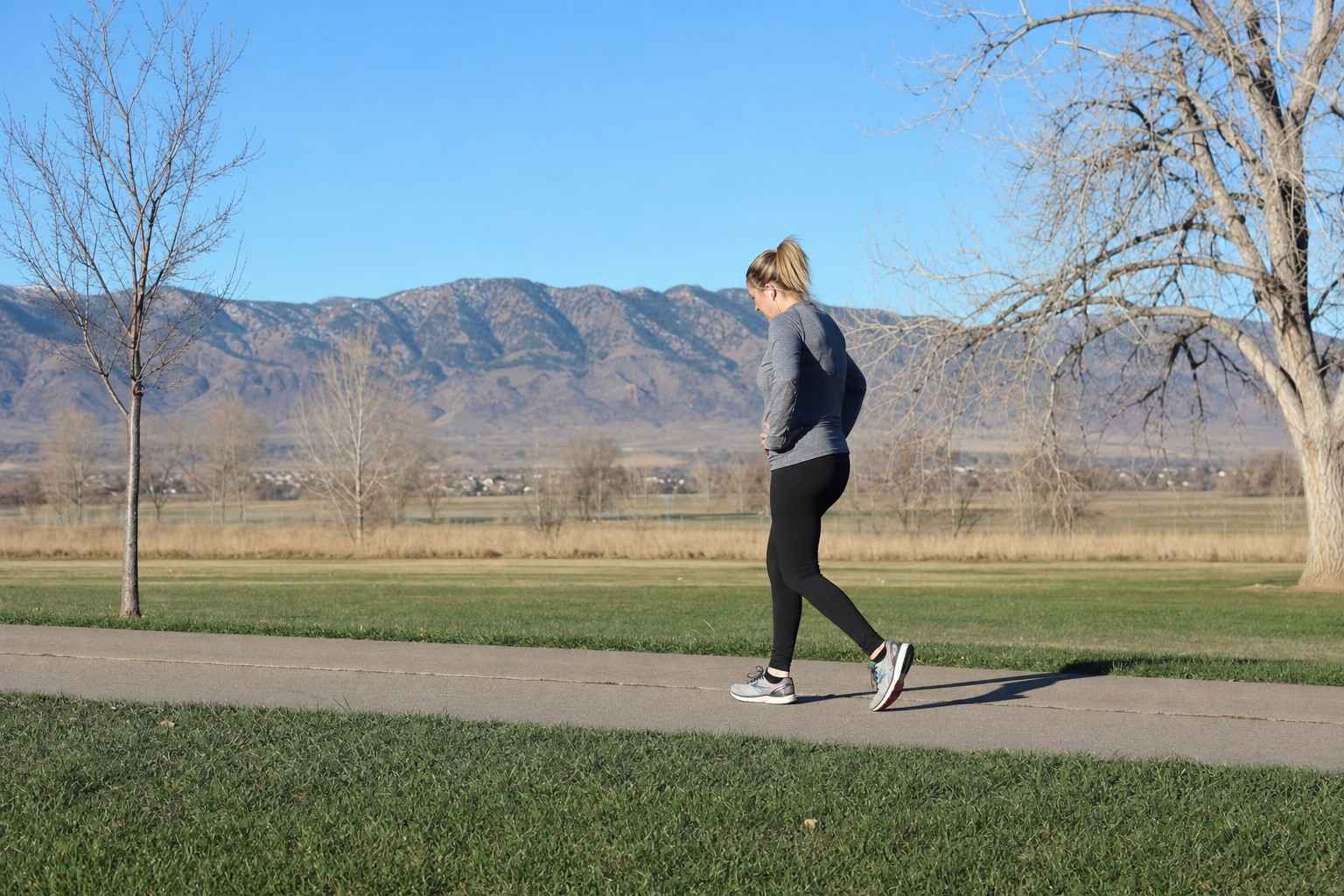 How to Start Running in Denver (When You’re Starting From Zero) Never been a runner? Starting in Denver adds thin air to the mix, but it doesn’t make it harder than anywhere else, just different. Here’s how the first weeks actually work.
-
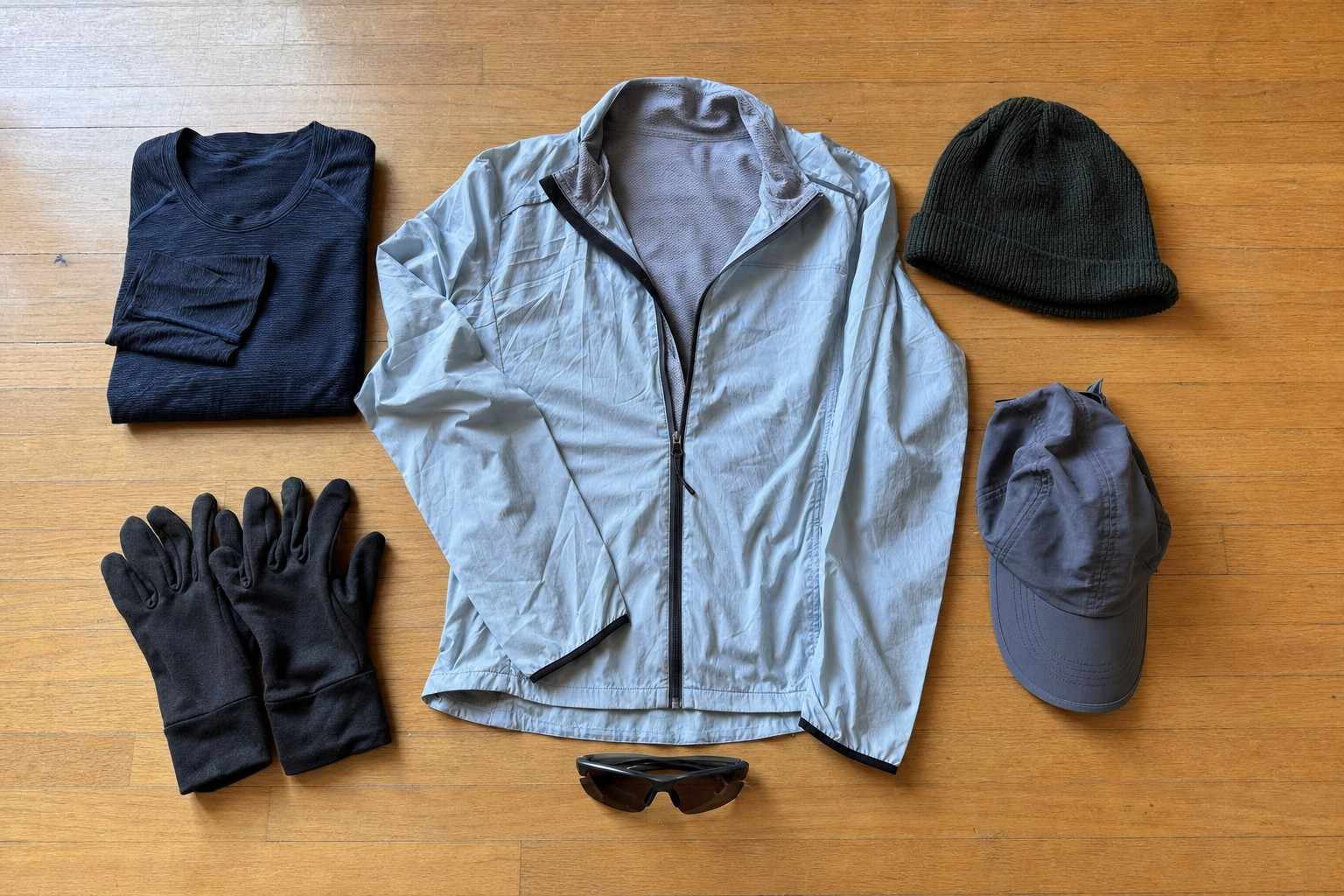 What to Wear Running in Colorado Colorado’s temperature swings between a cold dawn start and a sunny finish can catch even experienced runners off guard. Here’s the layering system that handles it, season by season.
-
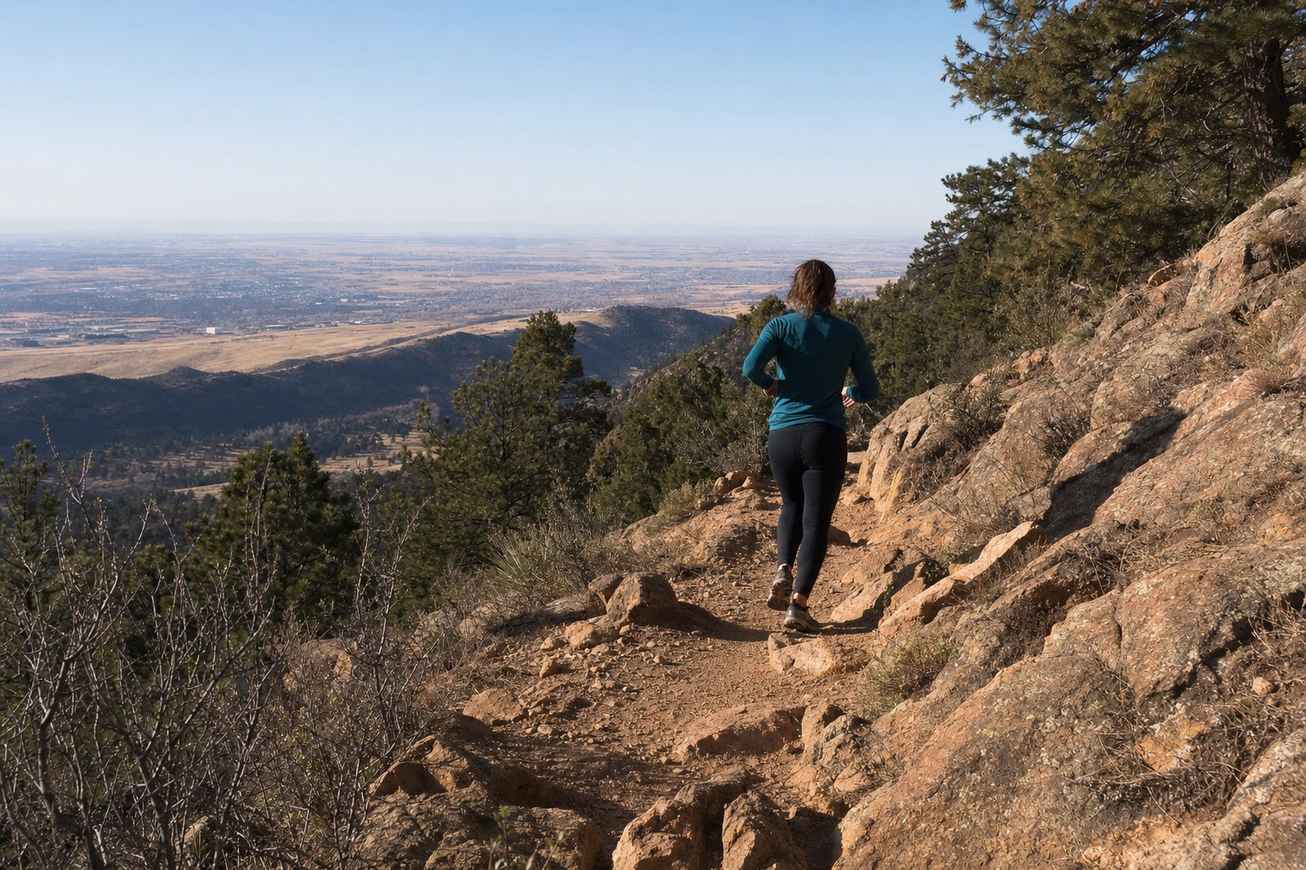 Trail Running Near Denver: Getting Started in the Foothills The foothills just west of Denver are a different sport from a park loop. Here’s what a road runner needs to know before the first trail run in the mountains.
-
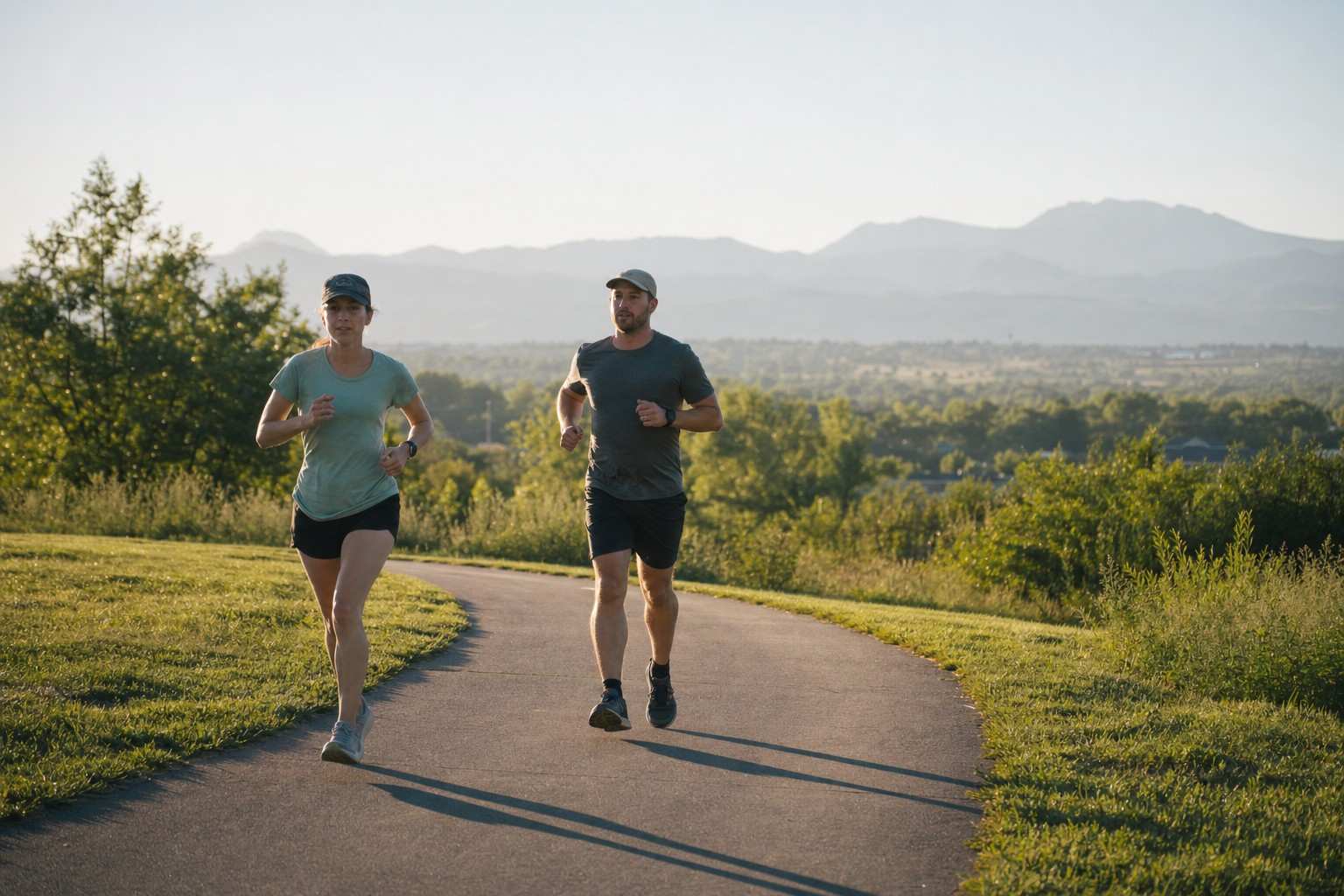 Summer Running in Denver: Beat the Heat, the Sun, and the Storms Denver summers are warm, sunny, and reliably stormy by afternoon. Run early, respect the altitude sun, and get off exposed ground before the lightning builds.
-
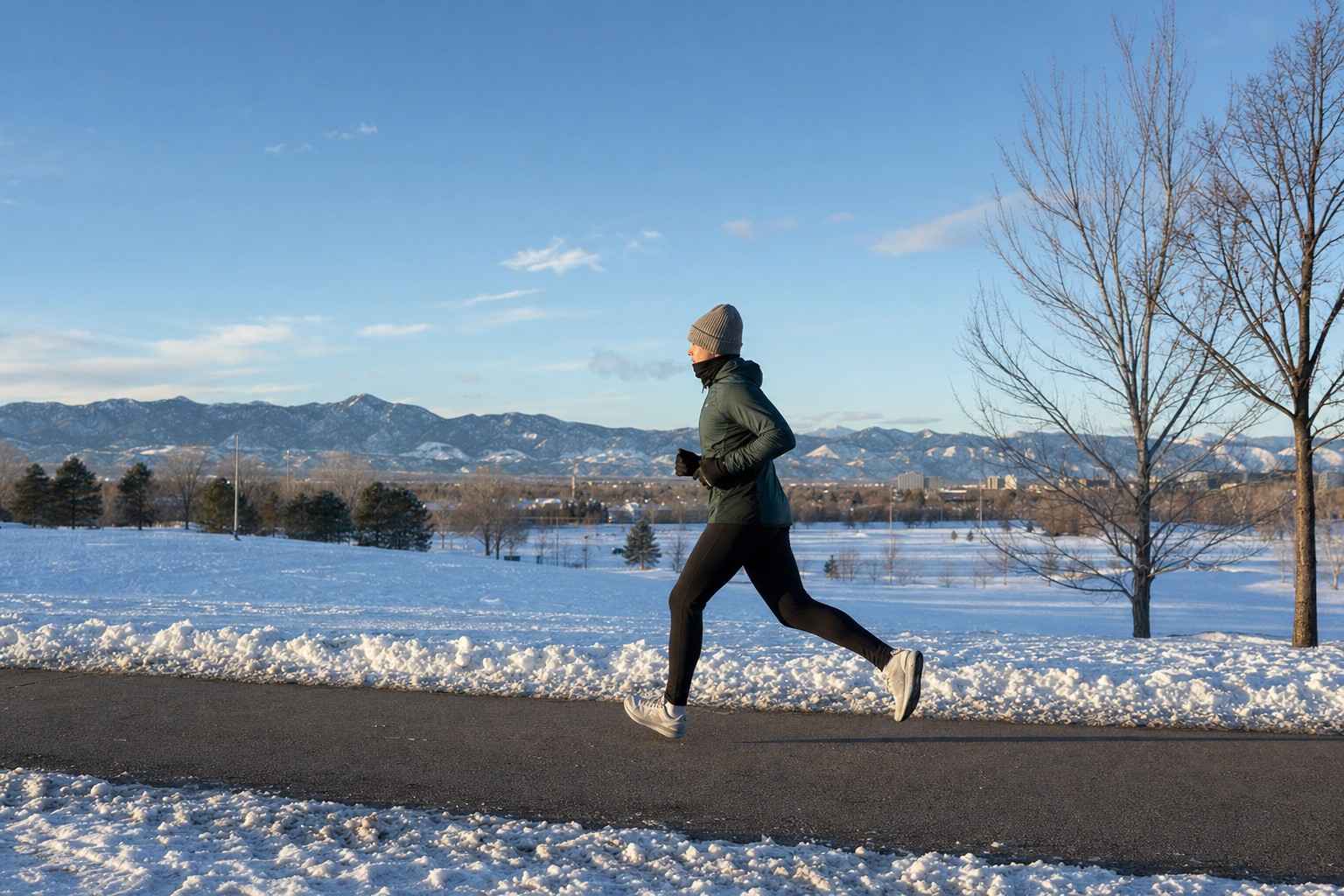 Winter Running in Denver: Cold, Snow, and Staying Out There Denver winters are cold, dry, and brighter than most people expect. How to keep running outside through them: what to wear, where to watch your footing, and when to stay in.
-
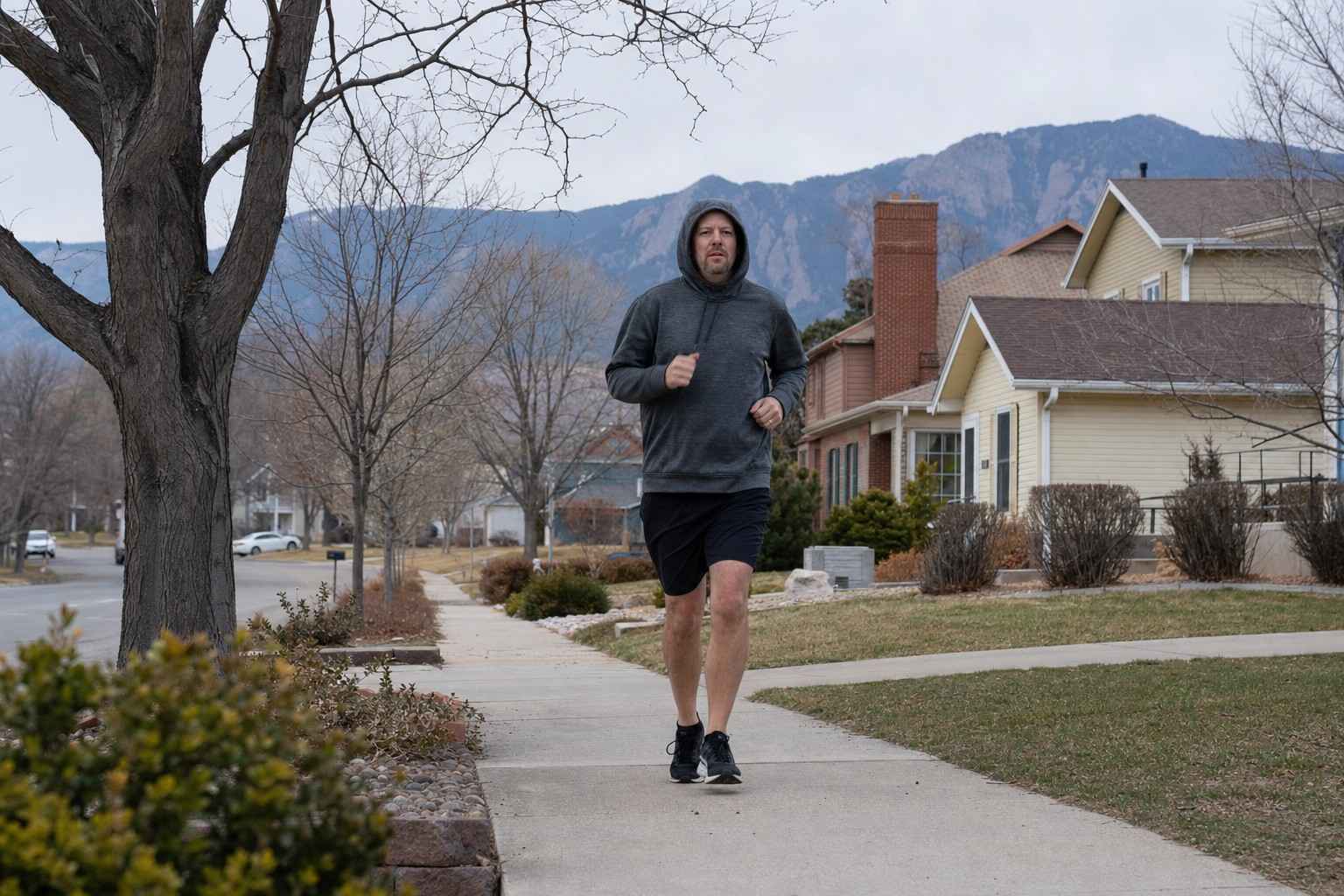 Your First Month Running in Denver New to Denver and your running suddenly feels brutal? That’s normal, and temporary. Here’s a calm first-month plan for the altitude, the routes, and your first race here.
-
 Where to Run in Denver: A Guide to the City’s Best Routes Denver runs well. Flat lake loops, long car-free trails, and the foothills a short drive west. Here’s how to pick a route by what you actually want from the run.
-
 Running at Altitude in Denver: What the Mile-High Air Actually Does At a mile up, the air holds less oxygen, and your running feels it. Here’s what altitude actually does to your pace, how long it takes to adjust, and how to train around it.