Denver’s normal high temperature falls from 85°F on September 1 to 47°F by November 30, according to National Weather Service climate normals for Denver/Boulder.
That’s a 38-degree drop over three months.
That single fact is most of the case for fall racing here. Cooler air isn’t just more comfortable.
Research on marathon performance backs that up: cooler air is measurably faster too. Together, those two points are why fall reads as the Front Range’s most runnable stretch.
The temperature drop, month by month

Each fall month cools at its own pace, and the shape of that curve matters more than any single race date.
- September opens at 85°F/55°F on the 1st and eases to 73°F/44°F by the 30th, per the September normals from the US National Weather Service.
- October opens at 72°F/44°F and drops to 59°F/31°F by the 31st, per the NWS October normals.
- November opens at 59°F/31°F and settles to 47°F/21°F by the 30th, per the NWS November normals.
October is the month where the curve flattens into something predictable. September still runs hot at the start, and November can turn sharply cold.
October sits in between.
Why cooler mornings run faster
A 2007 study in Medicine & Science in Sports & Exercise tracked marathon finishing times against wet-bulb globe temperature across seven major marathons.
Performance slowed progressively as conditions warmed from about 5°C to 25°C, and slower runners lost more time than elite finishers did.
That’s marathon-length data, not evidence from every distance Denver runs. The mechanism is simple: heat gets harder to shed as the air warms.
That applies to any race long enough for body heat to build. The effect is smaller in a 5K than a marathon, but it doesn’t disappear.
A cool morning start is worth real time on the clock, not just comfort. That’s on top of the altitude penalty Denver runners already carry.
At Denver’s altitude you pace by effort anyway, and a cooler morning gives that effort a little more room to work with.
September starts warm, cools fast

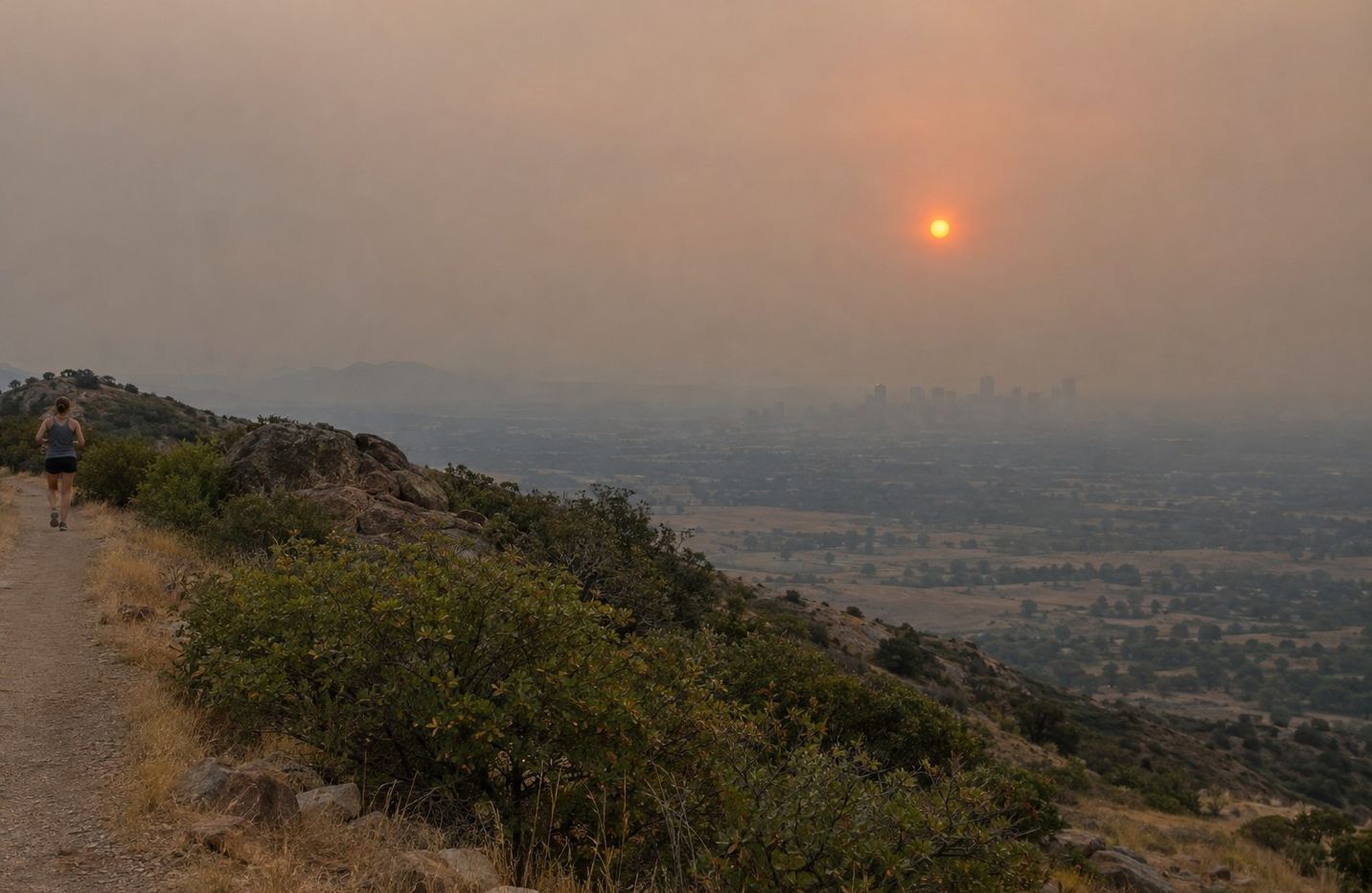
A September race can open in real heat and finish the month in fall air. The 1st still normally hits 85°F, closer to summer than to what most runners picture as fall racing weather.
By the last weekend of the month, the normal high has dropped to 73°F.
Early-September races still reward summer discipline: an early start, real hydration, and pacing by feel rather than by the number on the watch.
The sweet spot for a goal race
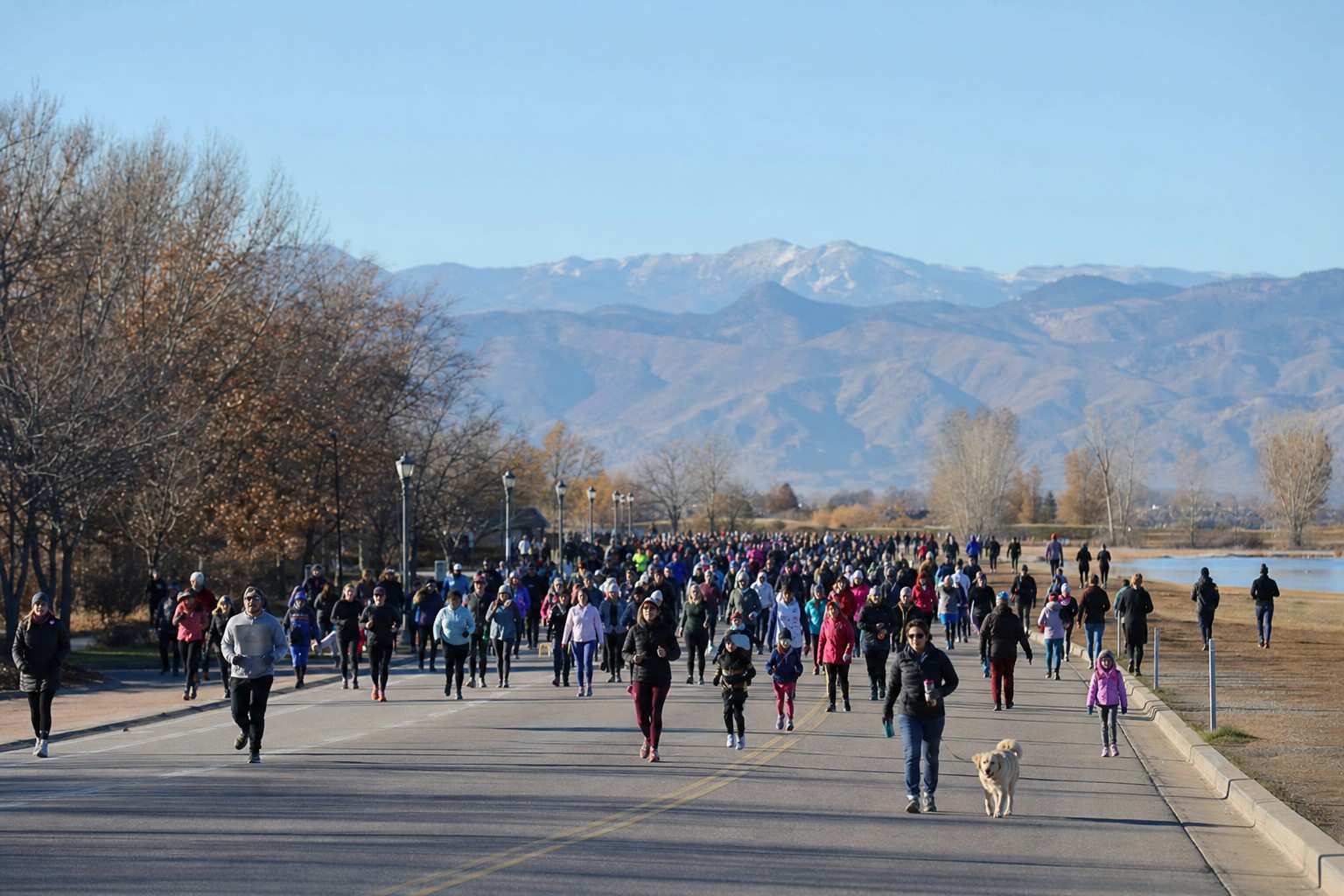
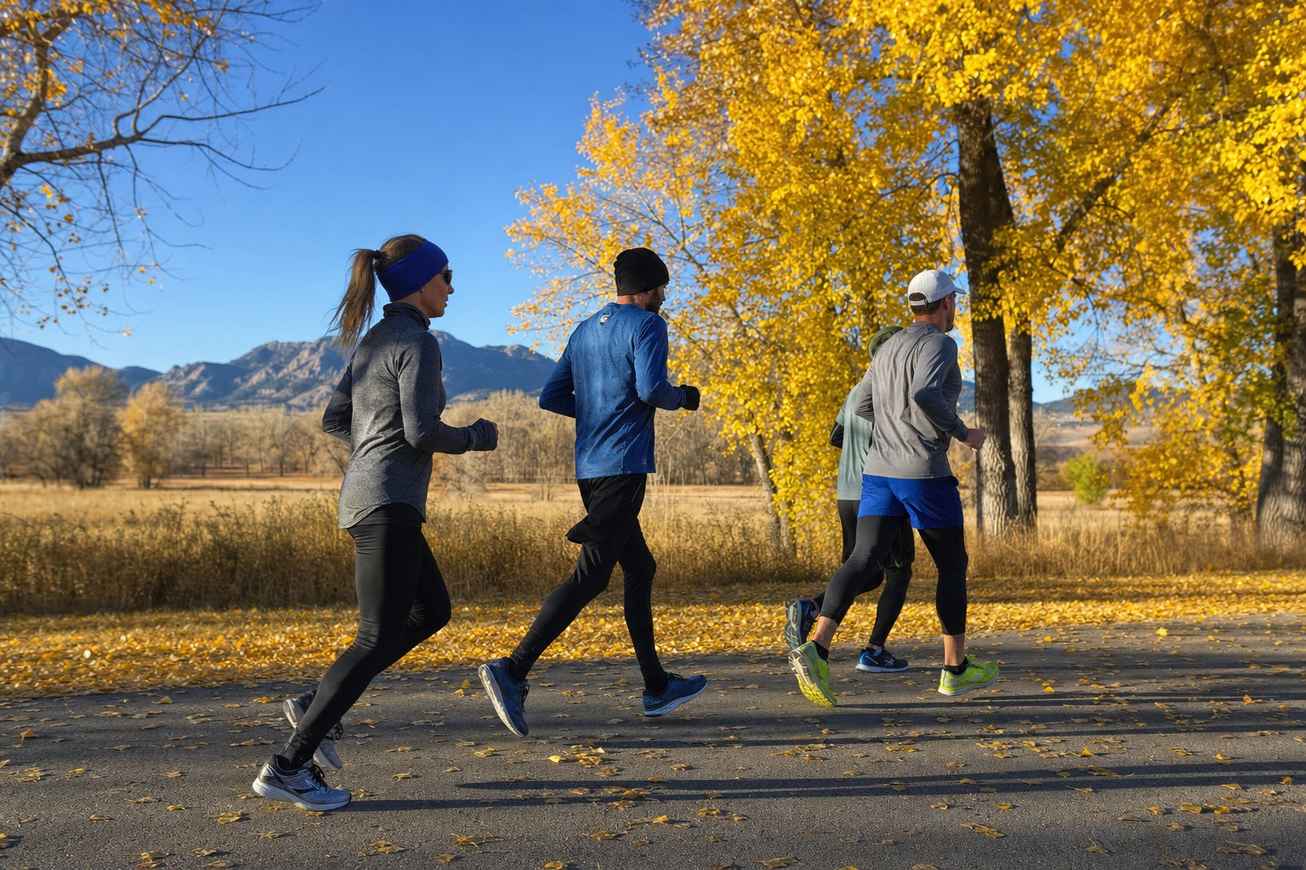
October is Denver’s most reliable month for pacing a race on purpose. Mornings open in the low 40s and stay cool well into the day.
The swing from one week to the next is smaller than in September or November.
Pick a race by the season and the scene, not just the distance. October rewards that logic most directly: a flatter temperature curve means fewer surprises between training runs and race morning.
Dress for the start line, not the forecast
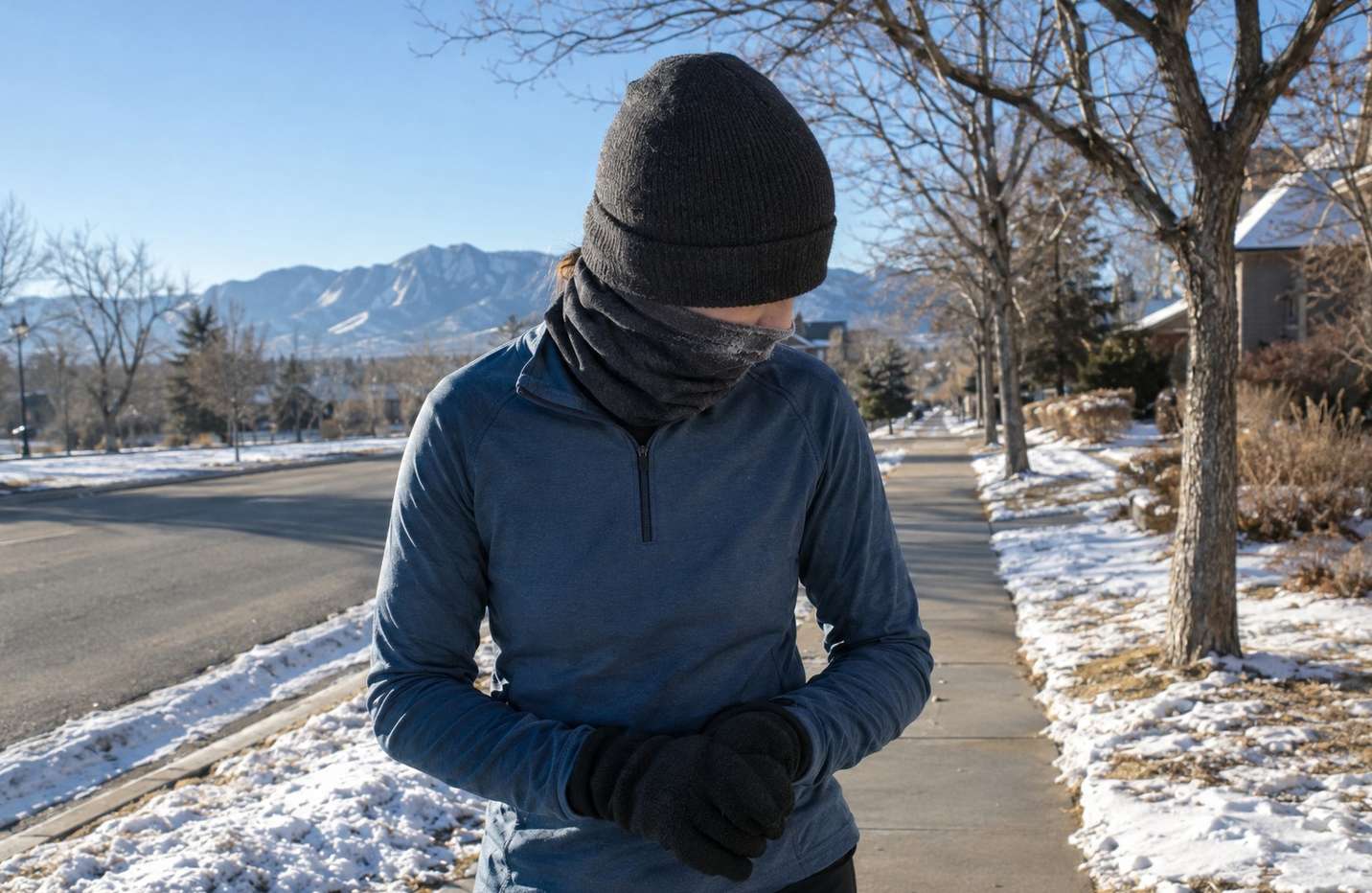
November’s average keeps falling, but the range widens. A 59°F opening high on the 1st can sit next to a 21°F normal low by the 30th.
An actual cold snap can undercut either number on a given morning.
Layers you can shed matter more here than in October.
A November morning can start well below what the week’s average suggests.
Picking your fall month
September still runs warm, October is the calmest month to chase a time, and November needs a flexible layering plan.
None of that replaces training for the course you’ll actually run. Fall’s cooler air only solves the weather problem. Altitude and a hilly course are separate challenges it doesn’t touch.
Check what to wear for a Front Range race before a November start, and browse the current race calendar once you’ve picked your month.