
Colorado doesn’t care what the forecast says by the time you finish your run.
A shaded 6 a.m. start in October can feel like a different day from the sunny 8 a.m. finish, and that gap can be 20 or 25 degrees. The runners who dress well here aren’t the ones who guess the temperature right. They’re the ones who dress for what they’ll stand in at the start and plan to shed.
Front Range weather turns fast; dress for the start line you’ll stand on, not the forecast high.
That single principle does most of the work. Everything below is how to apply it.
The core system: a base and a shed-able layer
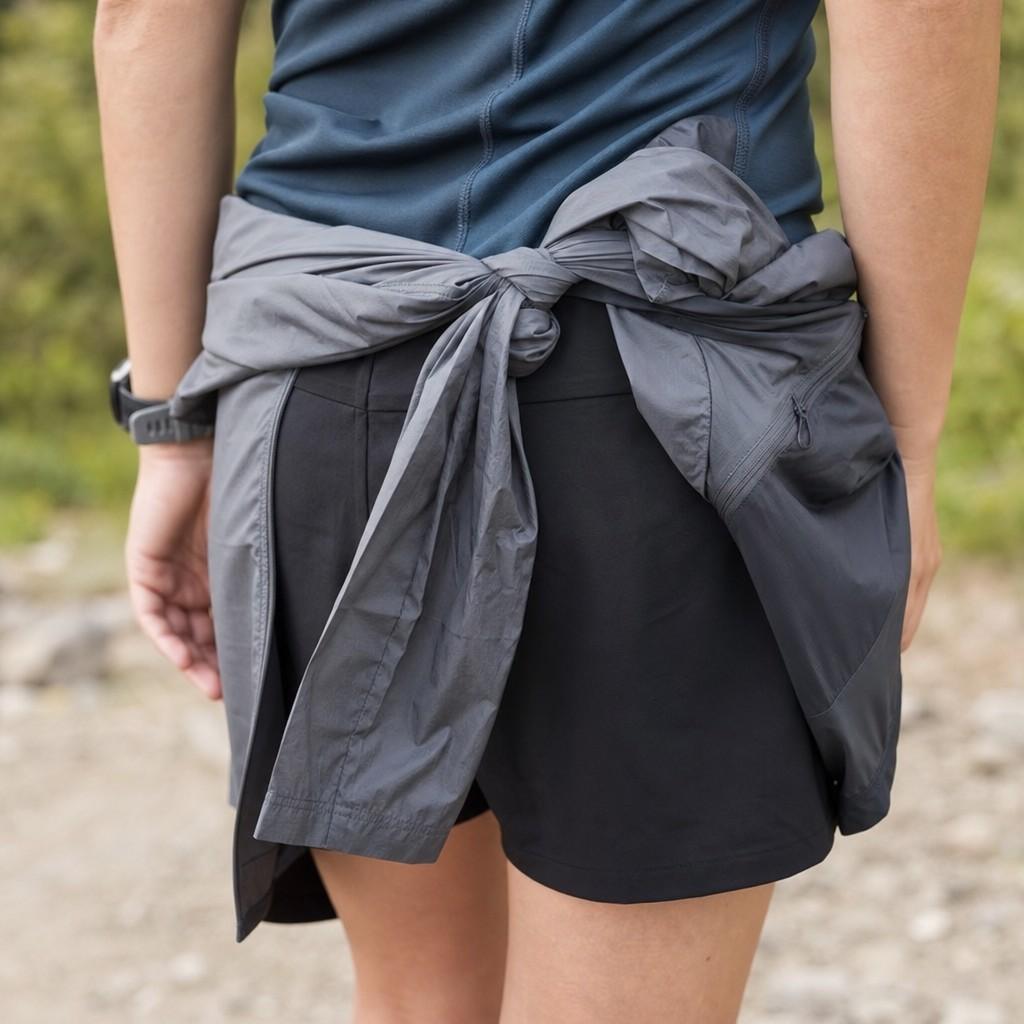
You don’t need a deep gear closet to run comfortably in Colorado. You need two things on most days.
A moisture-wicking base layer is the foundation year-round. Cotton holds sweat against your skin; a synthetic or merino wicking layer moves it away. That matters more in Colorado’s dry air than in humid climates, where you’d be wet anyway.
A light, easily removable outer layer is what handles the swing. It could be a thin zip-up, a lightweight wind shell, or a simple long-sleeve that ties around your waist once the sun hits. The test is whether it folds small enough to pocket or knot off without thinking about it. If you are shopping for that layer, you can compare lightweight running wind jackets on Amazon. (Some links on this page are affiliate links; if you buy through them, Feat on the Street may earn a small commission at no extra cost to you. More in our affiliate disclosure.)
The moment you find yourself carrying a jacket you can’t do anything with, the system has broken down.
The extremities: worth more than another torso layer
In cold weather, most runners reach for a heavier jacket. The better move is usually gloves and a hat first.
Your hands and ears lose heat fast and they’re the first things to make a cold run feel miserable. A thin pair of running gloves and a light beanie together weigh almost nothing, stuff into a jersey pocket once you warm up, and do more for perceived comfort than a warmer coat that you then have to run in all the way home.
If it’s genuinely cold, a neck gaiter or balaclava does similar work for your face. Once your core and extremities are covered, adding another torso layer is the last thing to reach for, not the first.
Sun protection is year-round here
This is the one Colorado runners from out of state most often get wrong.
At a mile up and above, the atmosphere is thinner and the sun hits harder. A cool, partly cloudy October morning can still burn you on a longer run. You don’t need to be on a summit to feel it.
A cap with a brim handles most of it. Sunscreen on exposed skin is worth the habit even outside summer, especially if you’re running past 9 a.m. on a clear day.
Light long sleeves can serve double duty in shoulder-season and winter runs: sun protection on the arms plus a thin layer of warmth, easy to push up as you heat up. They’re not just a cold-weather piece.
Summer running: light, breathable, and hydration-first
Summer is the simplest season to dress for, even if summer running in Denver brings its own heat and storms.
Go as light and breathable as possible. Light colors reflect more sun than dark ones. Short sleeves or a singlet, light shorts, and your cap is the starting point.
The bigger summer variable is hydration, not clothing. Denver’s dry, high-altitude air means you lose water faster than you might expect, and in July or August the heat adds on top of it. A handheld bottle or a route with water access matters more than any clothing choice.
Winter running: two layers that move with you
Winter is colder than new arrivals often expect, but winter running in Denver is manageable with the right approach.
The two-layer principle still holds: a wicking base against the skin, a wind-resistant or insulated shell over it. What changes is the weight of each layer.
- Base: a midweight thermal base layer (not the thin summer version)
- Shell: something wind-resistant, ideally with a front zip you can crack open once you’re moving
- Extremities: gloves and a hat, always; add a neck gaiter on the coldest days
You will overheat if you dress for standing still. Running generates heat fast, and what feels necessary at the trailhead feels stifling by mile two. Start slightly cooler than comfortable and trust the effort to warm you up.
The altitude factor in your clothing choices
One thing worth knowing: Colorado’s altitude affects how your body regulates temperature, not just how your lungs feel.
The thinner, drier air pulls moisture from your skin and your breath constantly. You can get cold quickly if you slow down or stop, even on a day that doesn’t feel that cold. That’s the argument for having a layer to put back on, not just one to take off.
For a fuller picture of what the altitude does to your running, running at altitude in Denver covers the physiology and what to do about it.
Principles over gear lists
The point isn’t to build an elaborate wardrobe. It’s to understand why Colorado dressing works the way it does.
Layers you can shed beat one perfect guess. Extremities before more torso. Sun protection no matter the season. Hydration is part of the kit question in summer. Start slightly cool and let the run warm you.
A runner who knows those principles will figure out what to wear on a new Colorado morning better than one with an expensive kit and no system behind it.